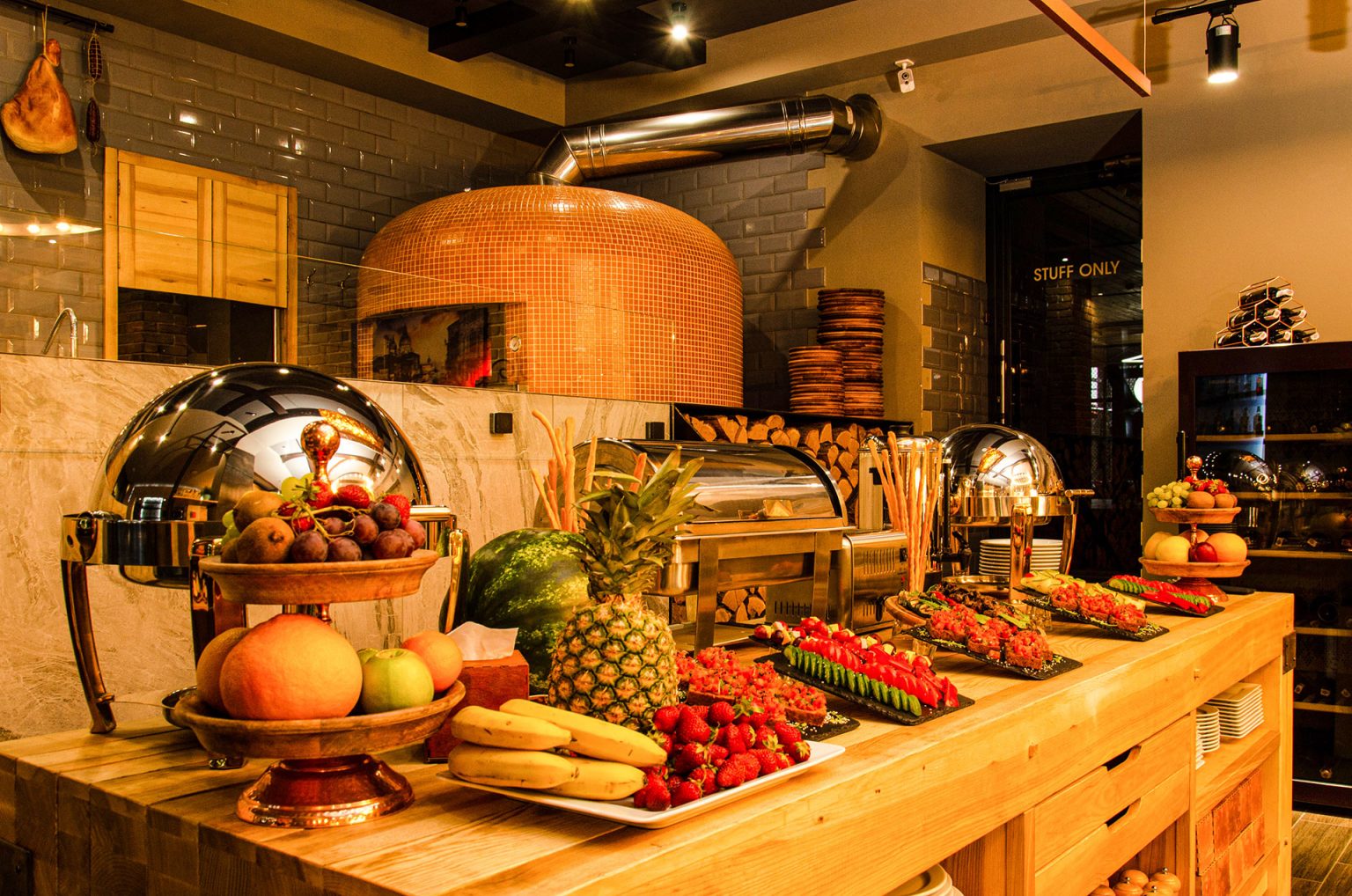
Interior photography
What the place looks like
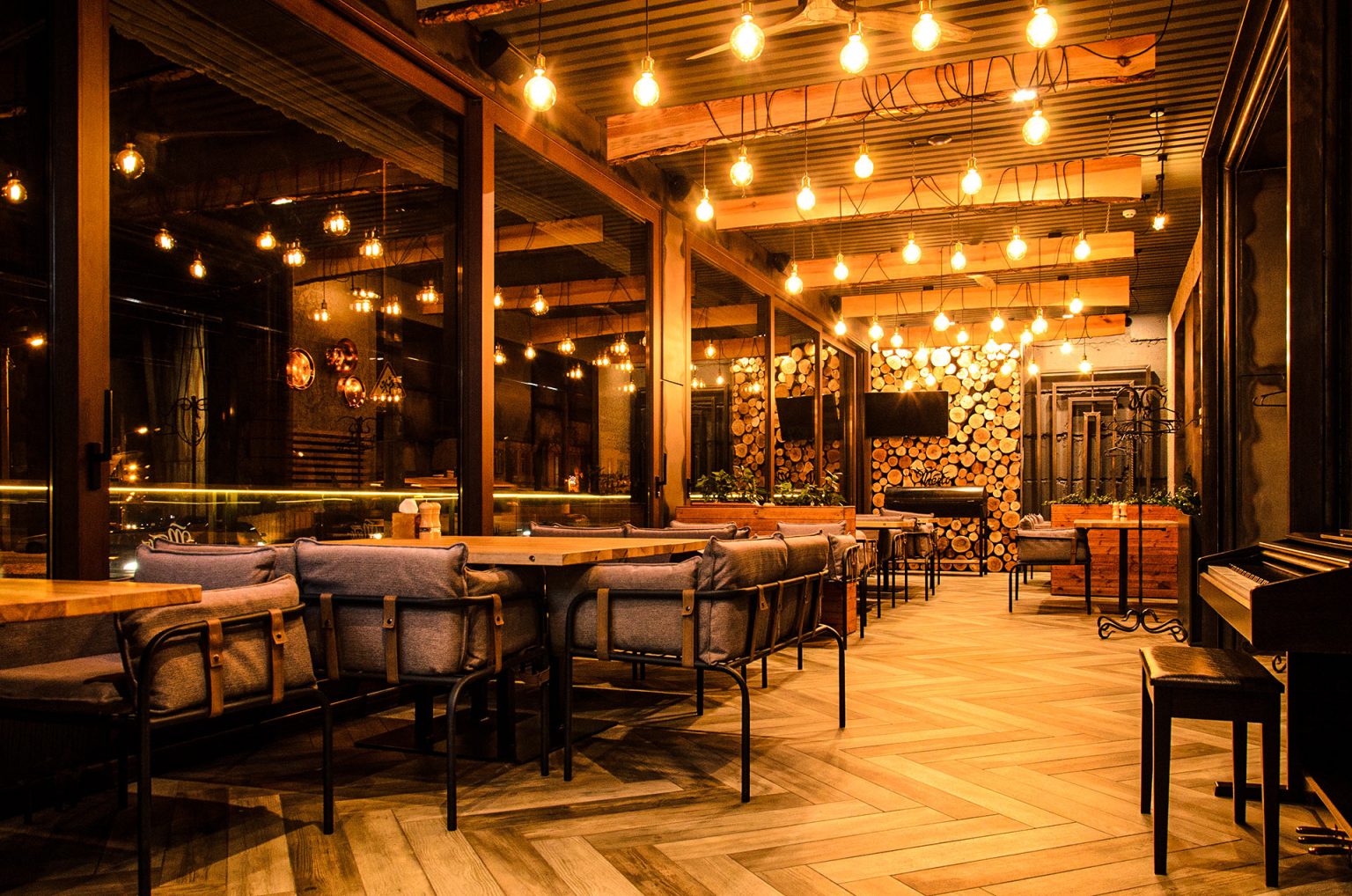
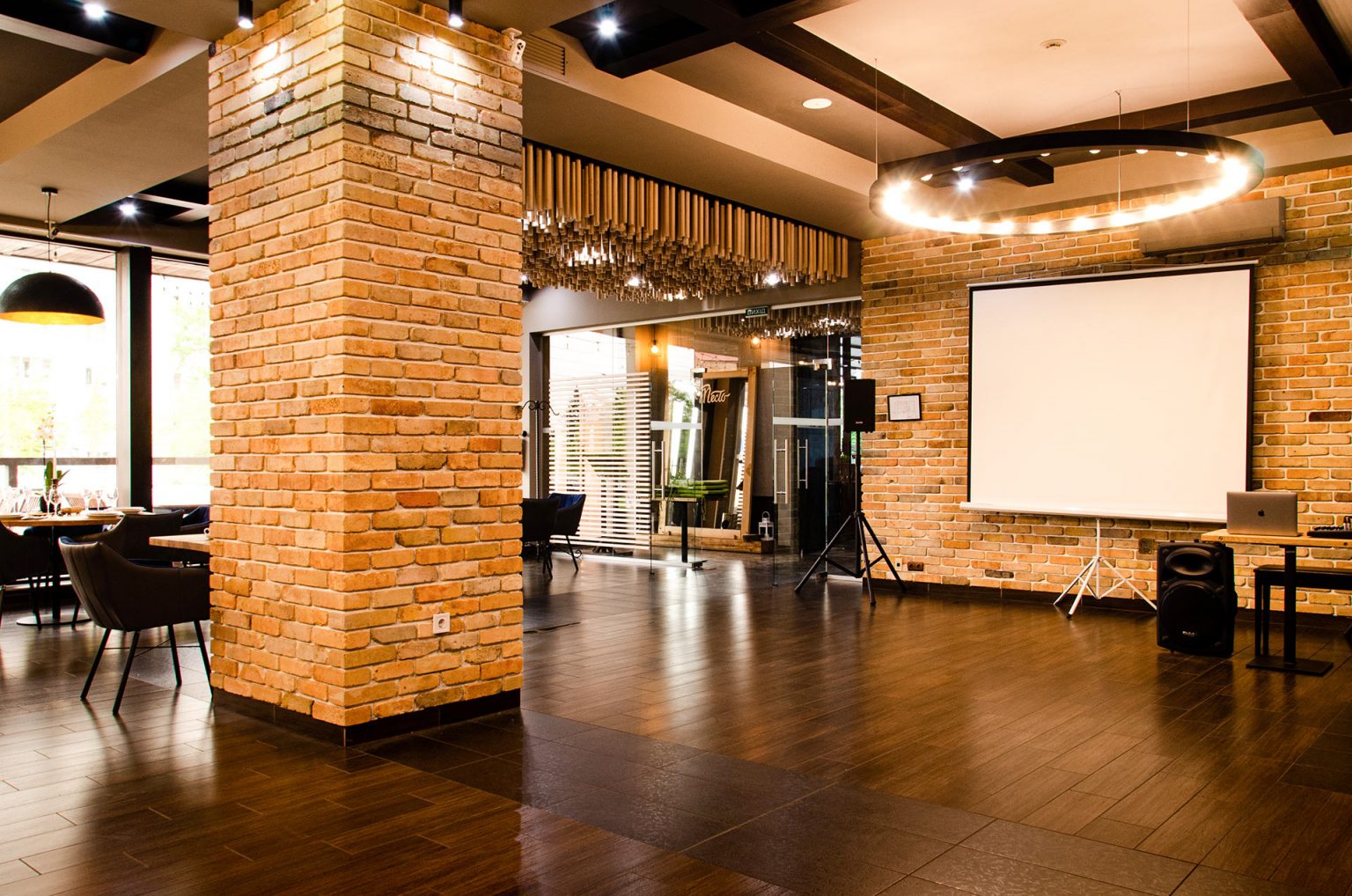
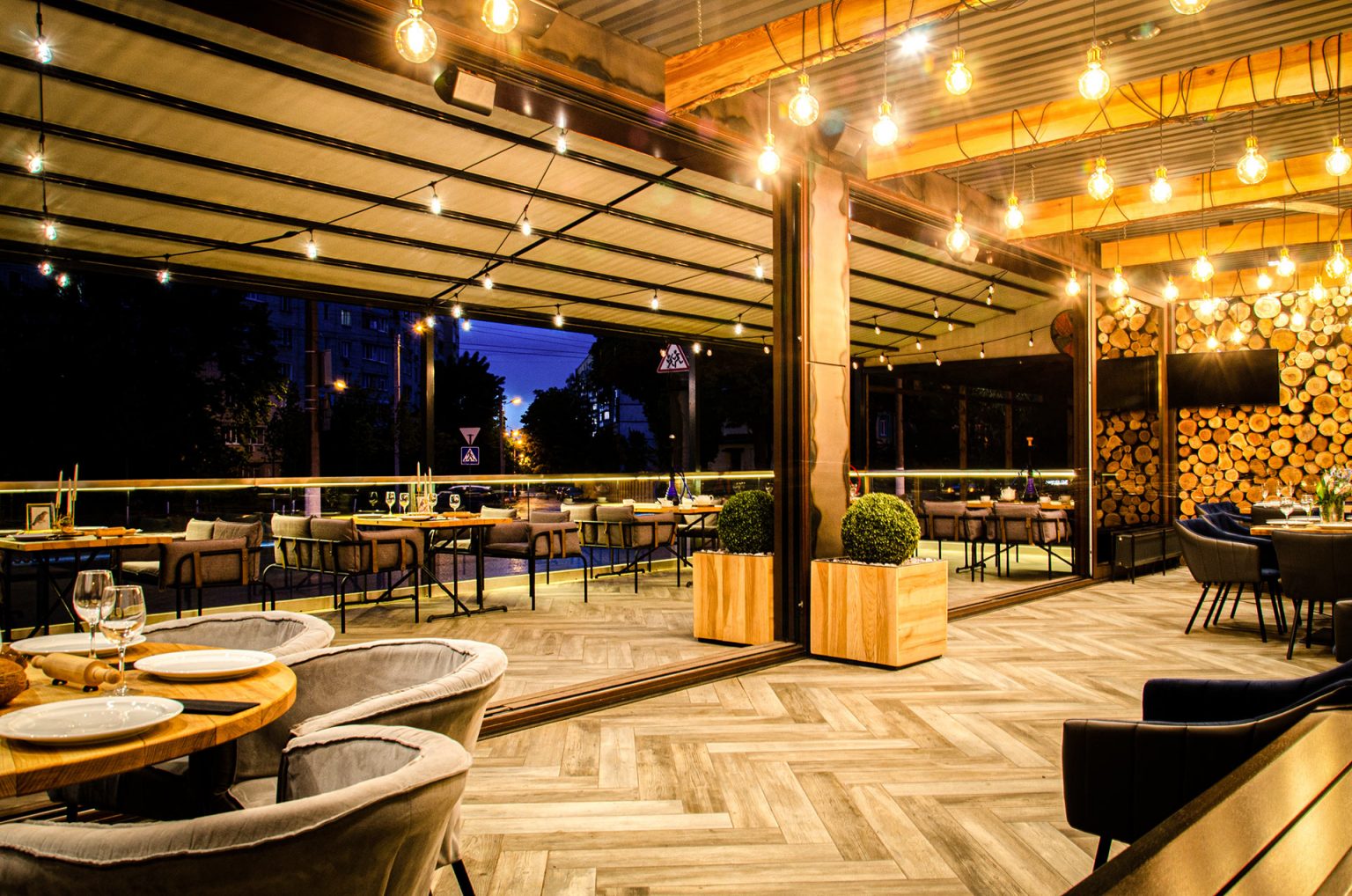
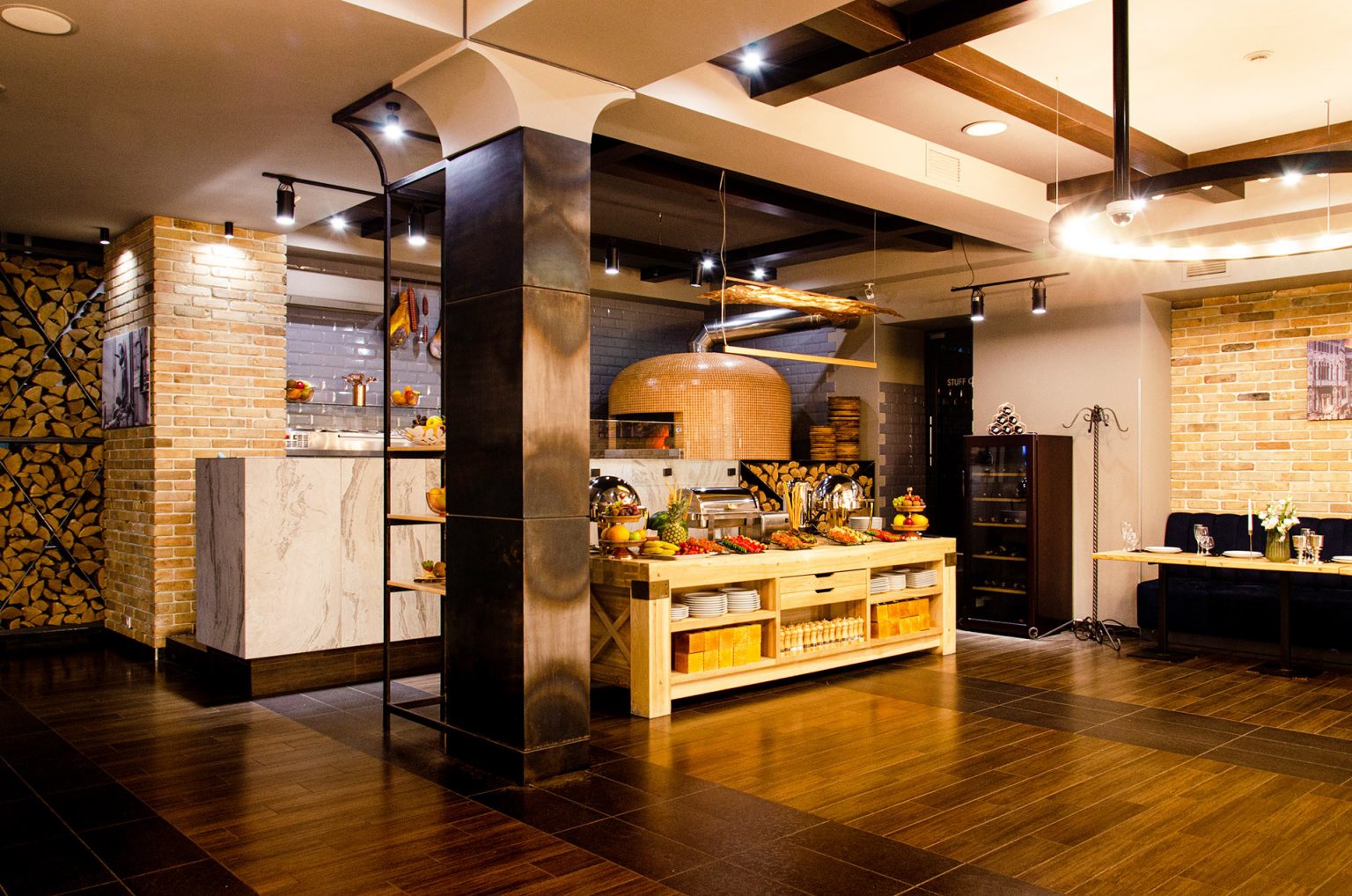
Restaurants, hotels, homes and offices: work on location and full processing — straight verticals, windows that keep their view, one colour of light in a space lit by three sources. Files ready to publish.
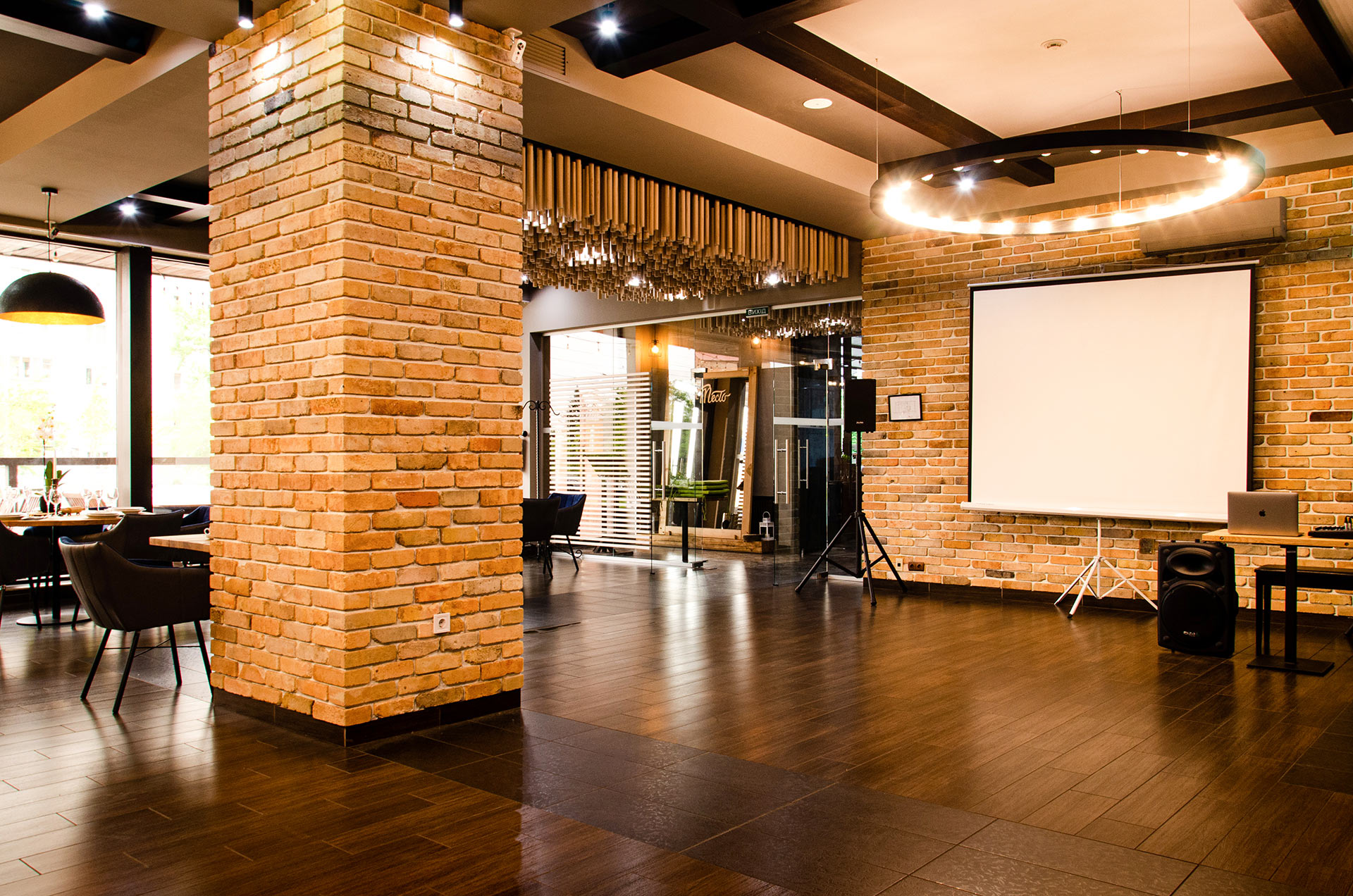
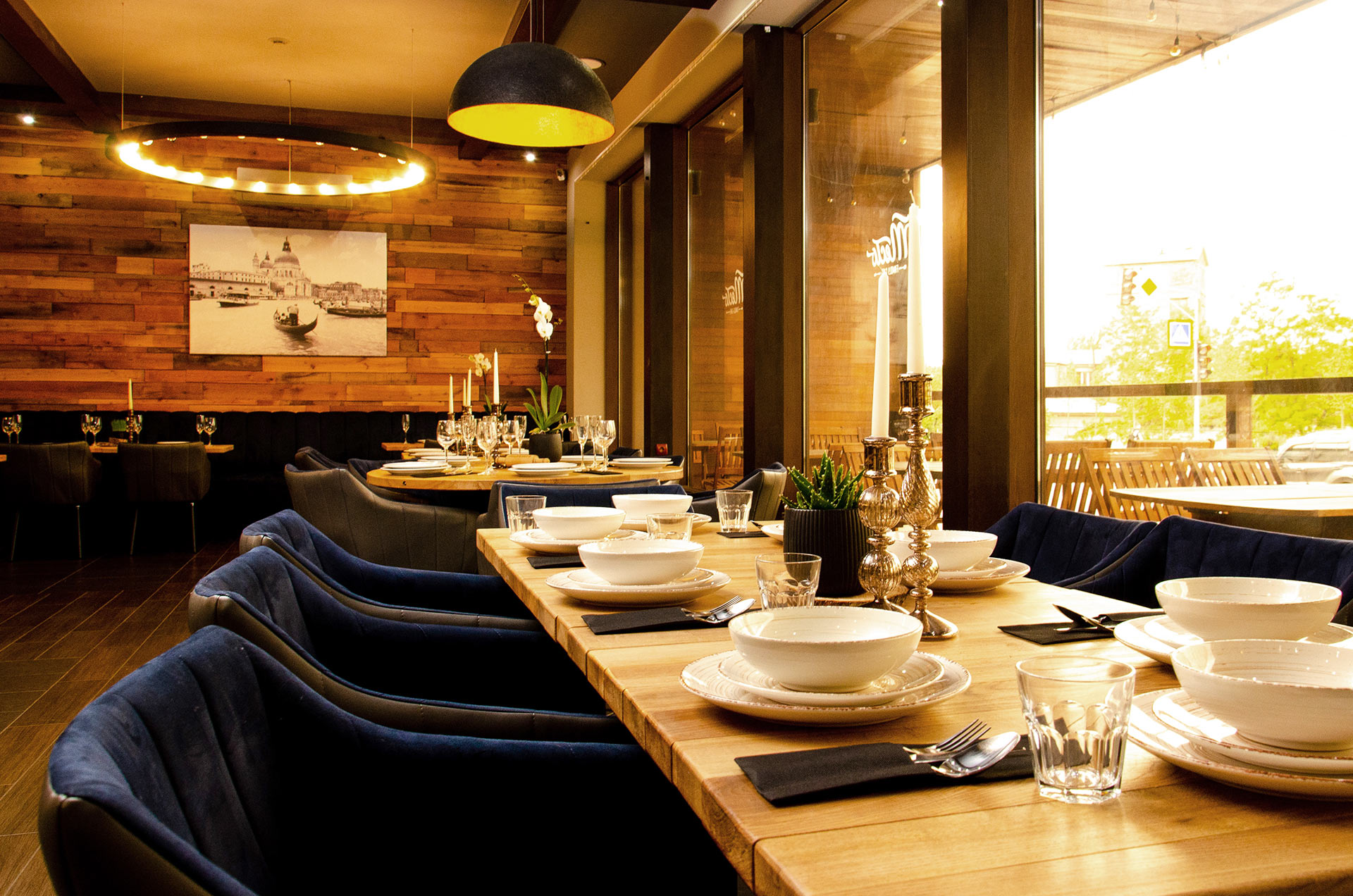
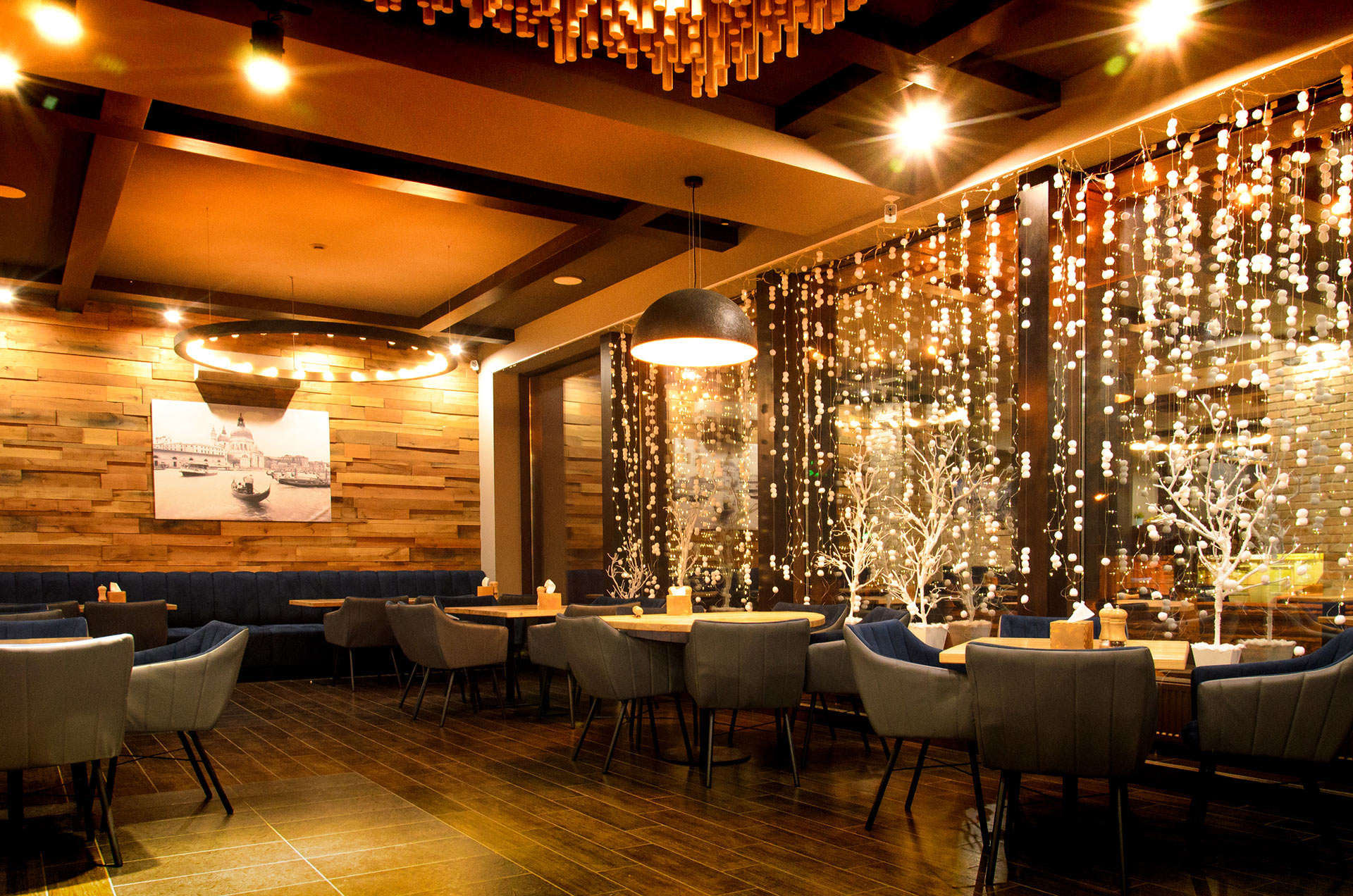
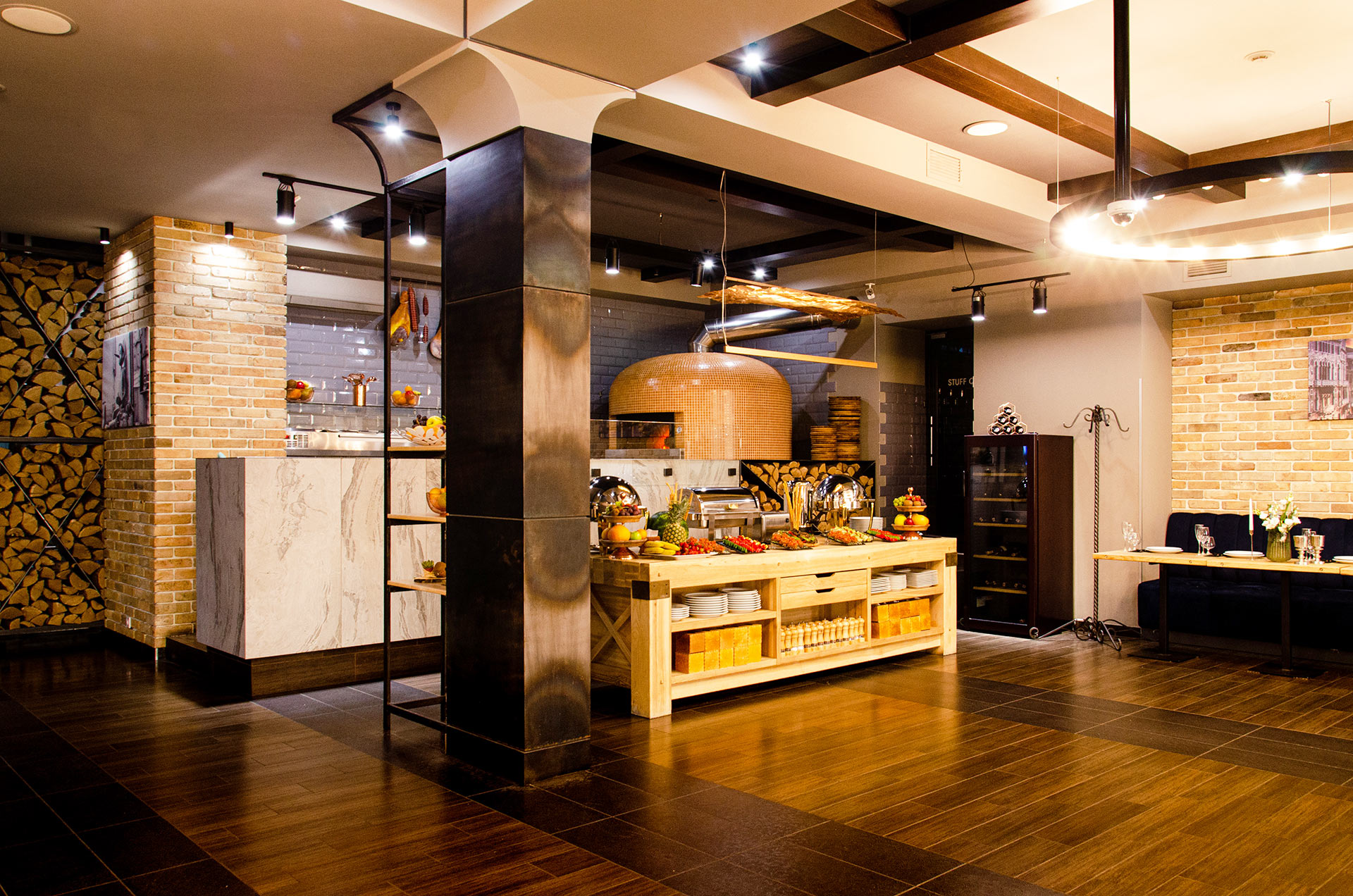
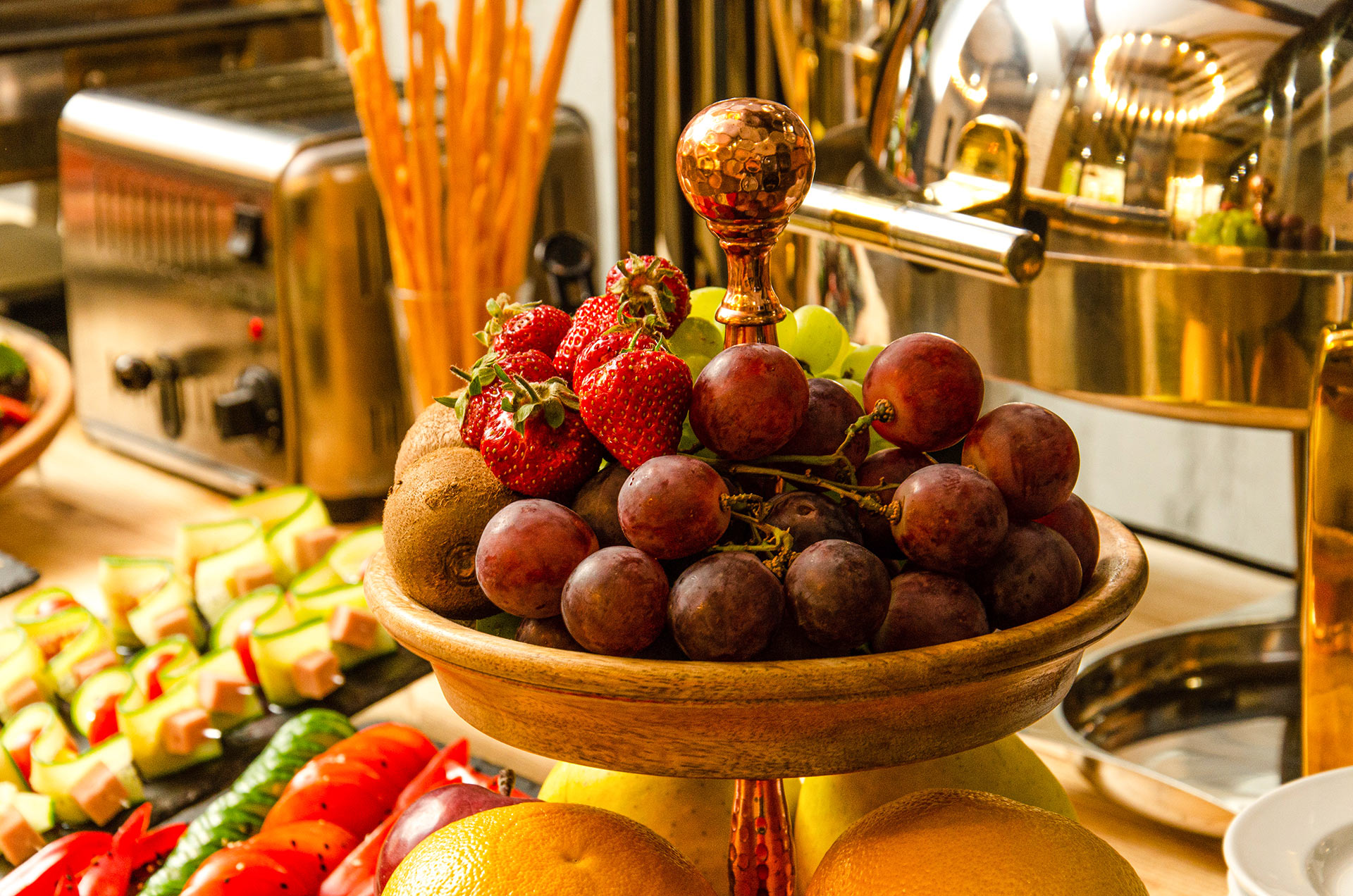
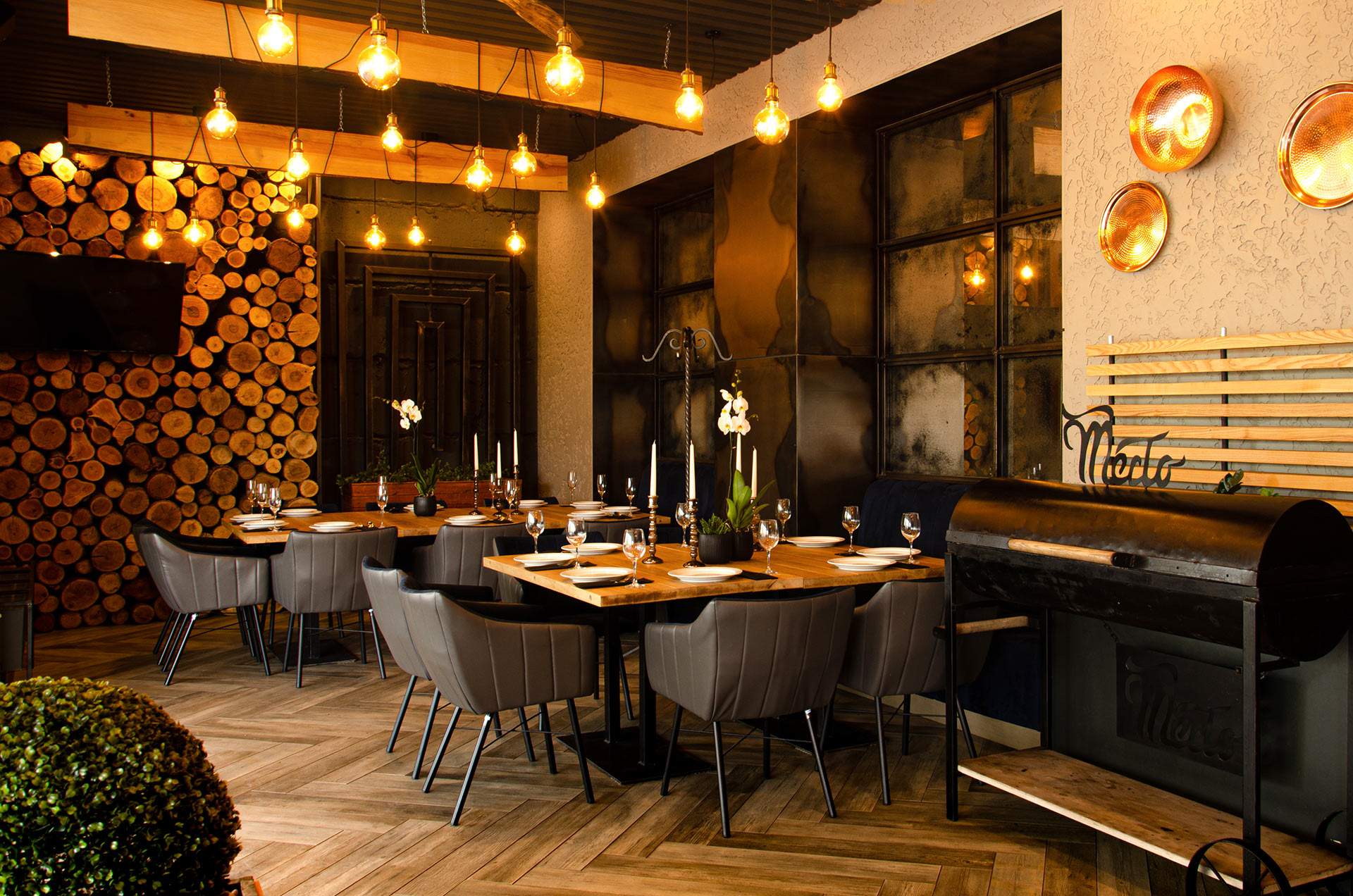
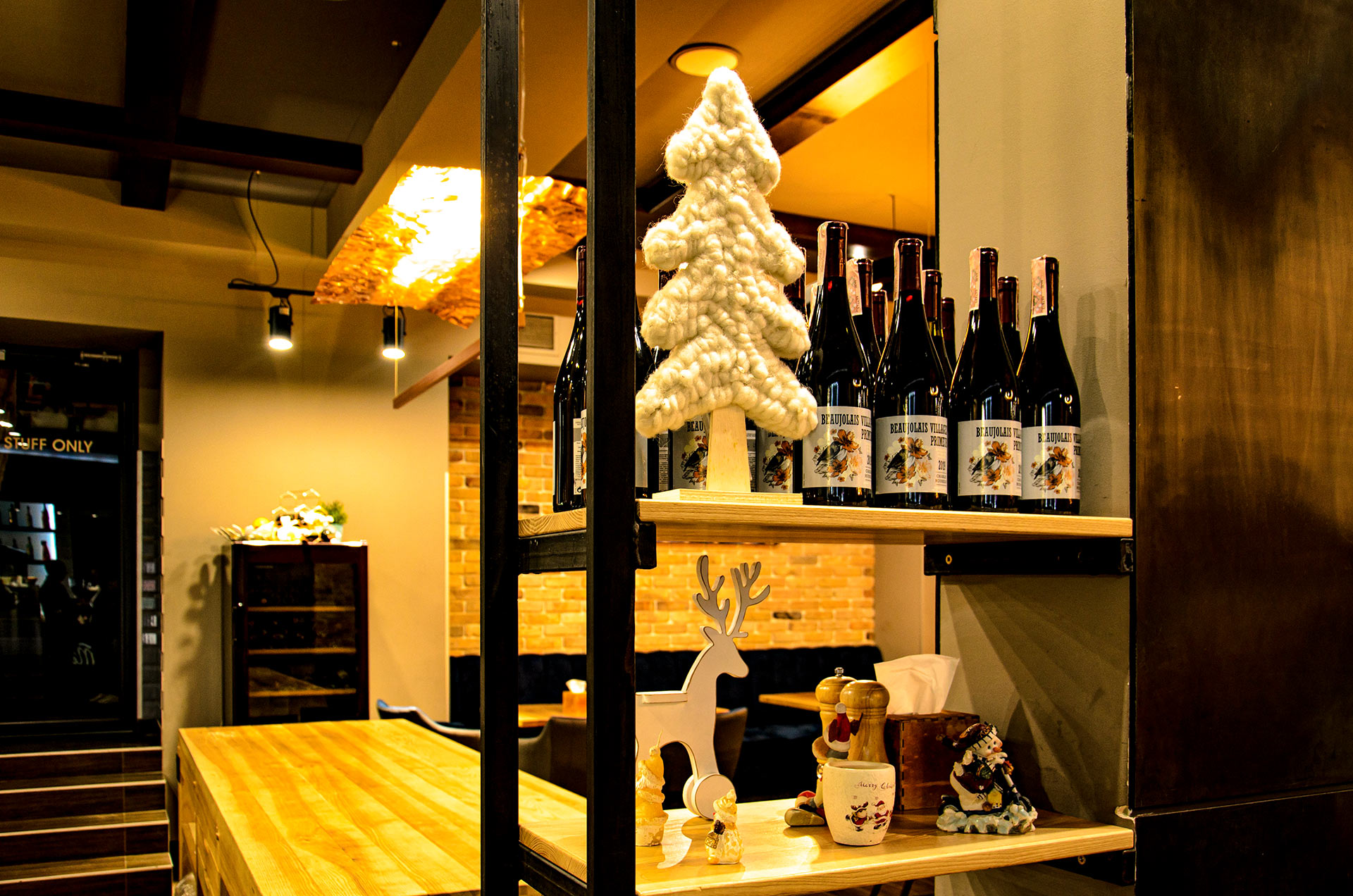
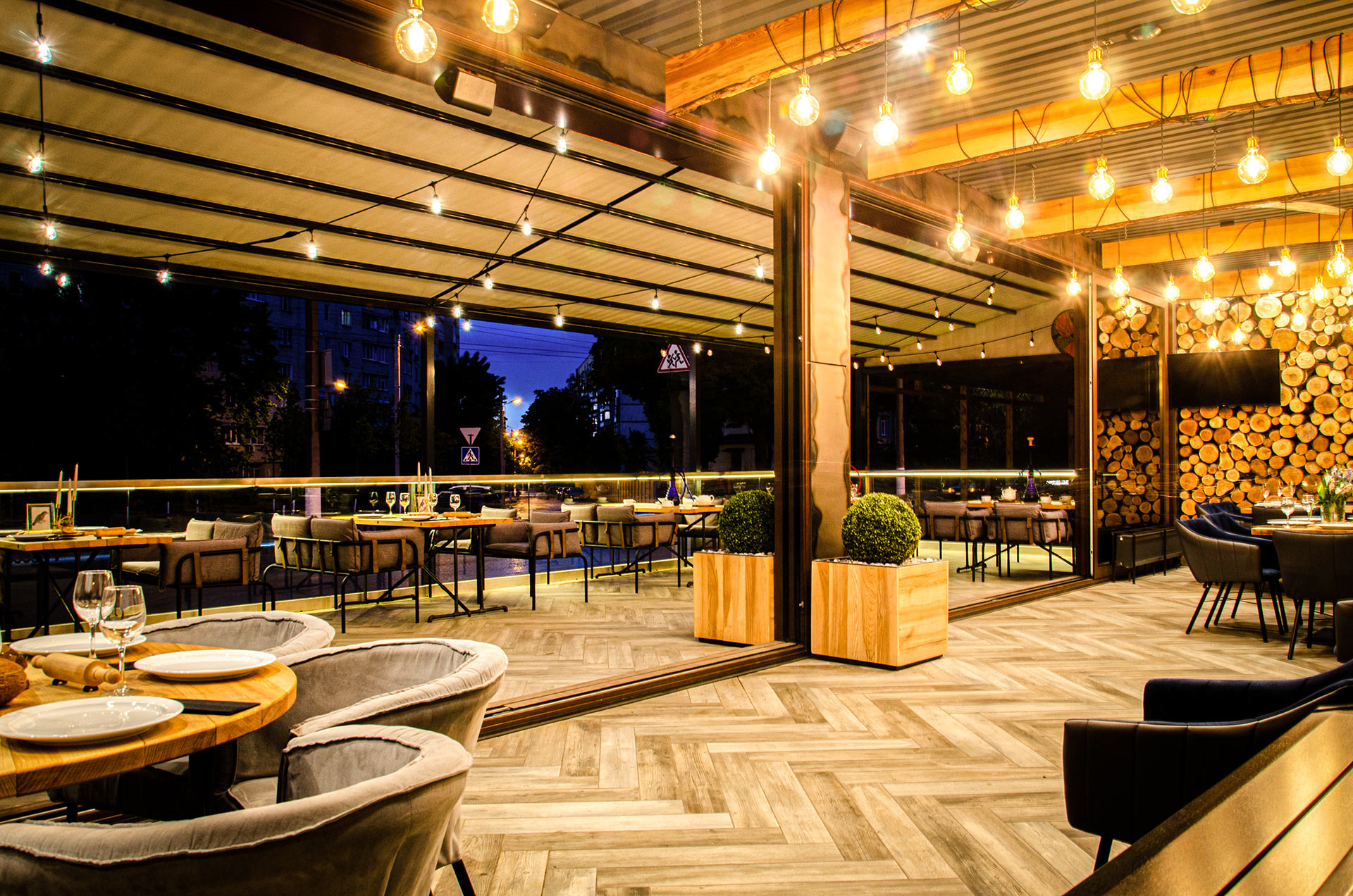
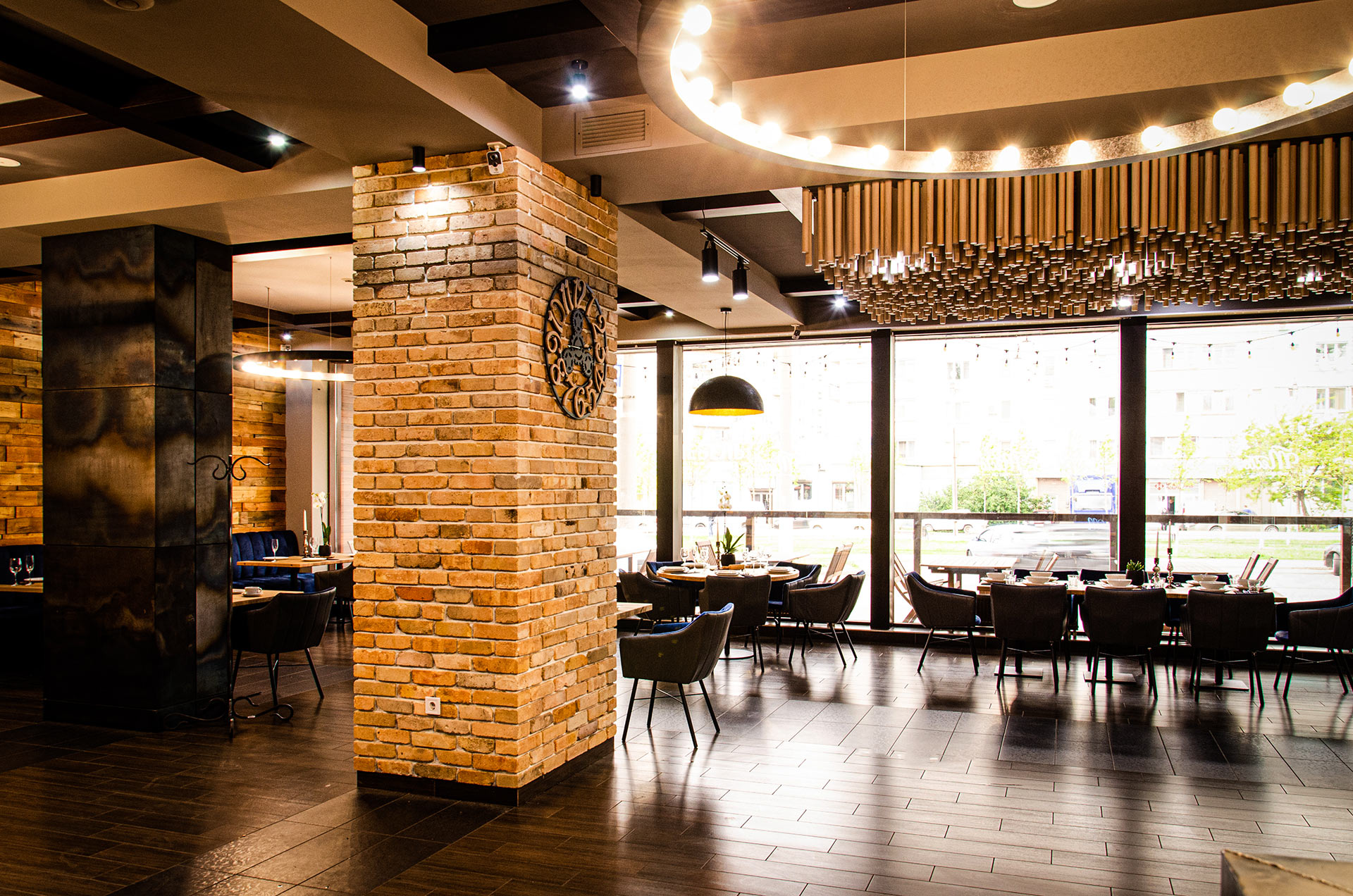
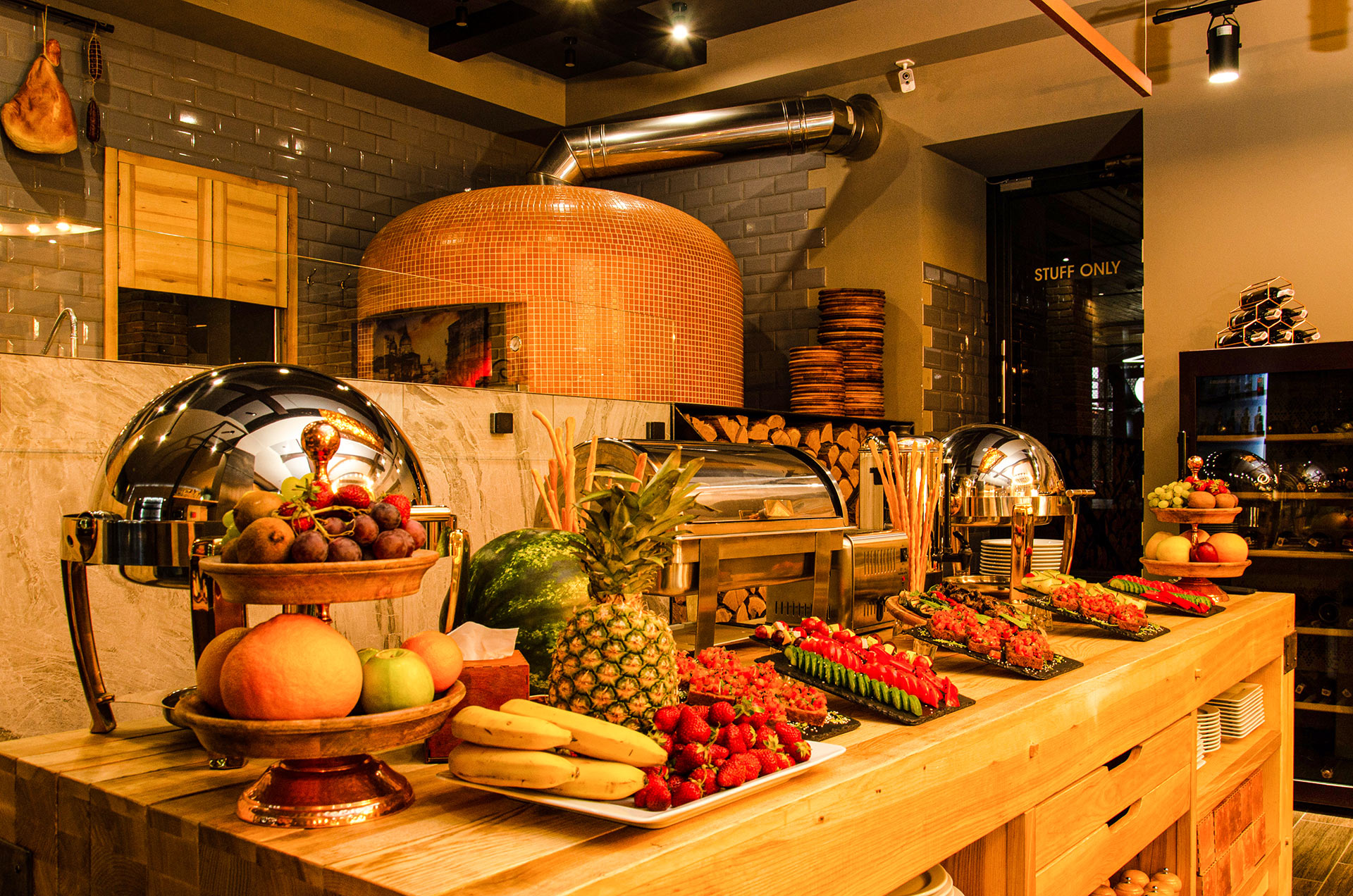
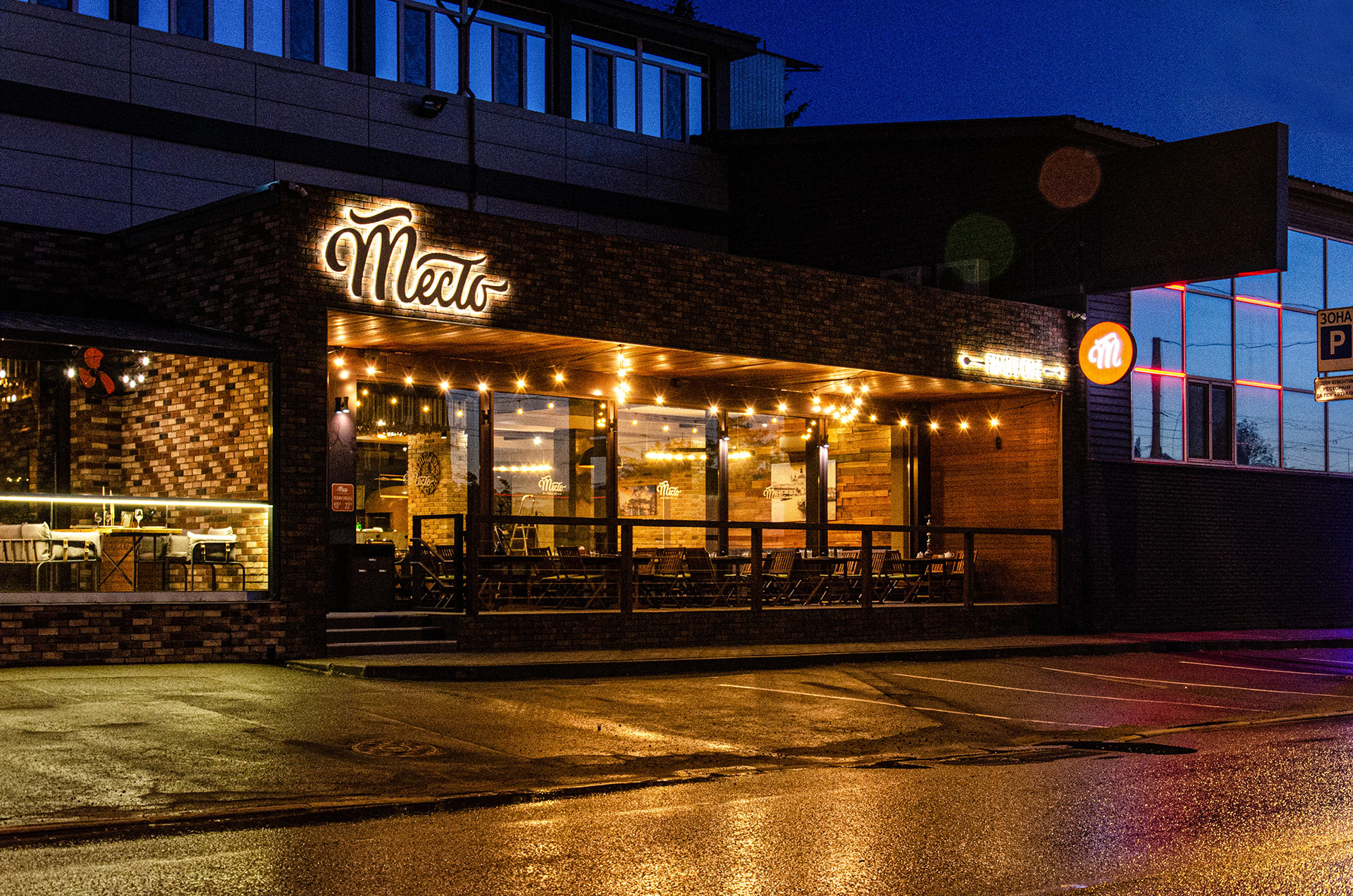
Testo Cafe, Kharkiv
One restaurant, one evening
More work
Other shoots
- Custos website development — smart devices that prevent water leaks2021
- Photographing the cat Persik2021
- Interior photography of the wood-fired banya at Bavaria2020
- Panoramic interior photography of the Fit4All fitness center2020
- Testo Cafe restaurant interior photography2020
- Photographing the interiors of the rooms of the hotel “Bavaria Grand Hotel”2020
- Pizza photography for the Testo Cafe restaurant2020
- Food photography for the Testo Cafe restaurant website catalog2020
Why it matters
What separates a photograph of a space from a photographed space
Verticals that stand up
Point a wide lens upward and the walls lean inward. It is the most recognisable tell of an amateur interior shot. Cured by keeping the sensor plane vertical when shooting and correcting the perspective after — not by hoping nobody notices.
Windows that are not holes
A room and its windows are several stops of exposure apart. One frame gives either a white rectangle or a dark room; blending several gives both the room and the view through the glass — what the eye actually saw.
One colour of light
An interior mixes daylight, tungsten and LED: one corner drifts orange, another blue. Colour is corrected by area, not with one global slider — or the wood stops being wood.
Lines that stay straight
A wide lens bends what is straight, and an interior is made of straight lines. Distortion is removed by profile before any other edit: every following correction inherits the previous error.
Camera at the right height
From standing height a restaurant looks like a floor plan. Most spaces read from the eye level of somebody seated, square to one of the walls — a first-five-minutes decision no retouching brings back.
The room, tidied
Cables, bins, spare chairs, a crooked napkin. Moving them on site is a minute, in retouching an hour — so they are moved on site. What cannot be moved is removed in the file.
None of this shows in one frame. It shows when a dozen frames sit on a page together and the place looks like the same place in all of them — that is the job.
How a shoot runs
Six stages, most of them before the camera
Brief
What the frames are for. A booking site, a menu, a listing and an interiors award ask different frames of the same room.
Scout
When the light is right, which windows fight you, what gets moved and what gets switched on. This is what decides the time of day the shoot happens.
Shoot
Tripod, level, bracketed exposures, room after room. Slower than it looks — and the reason the files behave predictably later.
Selection
A first cut of everything shot goes out for your choice — before hours of retouching sink into frames nobody wanted.
Correction
Perspective, distortion, exposure blending, colour by area, clean-up. Most of the hours are spent here — and the difference shows here.
Delivery
Finished files in the sizes and crops you need, with the rights agreed at the start. The delivery date is agreed before the shoot.
What you receive
Files ready to publish
Finished files
Full-resolution JPEGs, corrected and retouched, plus web sizes ready to upload. Not a folder of raw frames left for you to sort.
Cropped for where they go
One frame works differently in a site header, a booking listing and a square post. Crops are made deliberately, so nothing important is left outside the edge.
Rights to use them
Written permission covering the site, the listings, the advertising and print. Agreed before the shoot — nothing left to negotiate when a campaign is due.
Also shot
The rest of the camera work
Dishes
What is served in that room: square frames on black, one style across the whole service, readable down to a card in a delivery app.
Product photography
The same discipline applied to things that are not edible: catalogue frames shot to one specification so a whole range looks like a range.
Questions
Before you write in
Start
Book a shoot
What the space is, roughly how big, and what the frames are for. That is enough to name the timing and the cost.