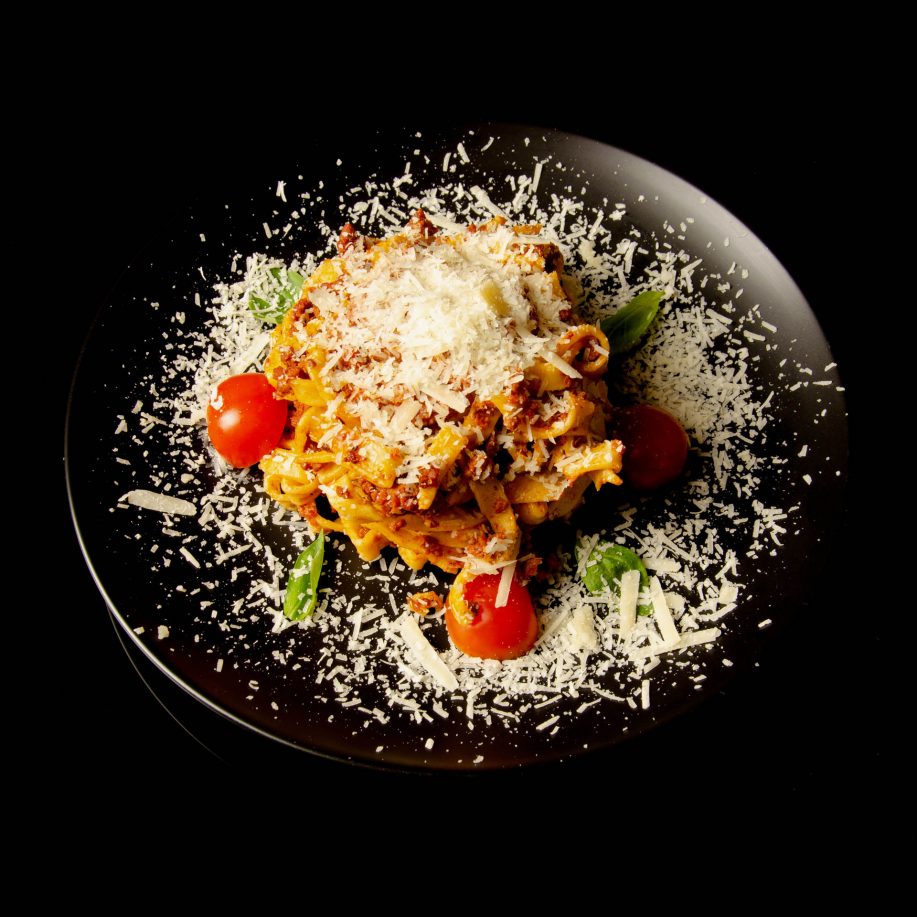
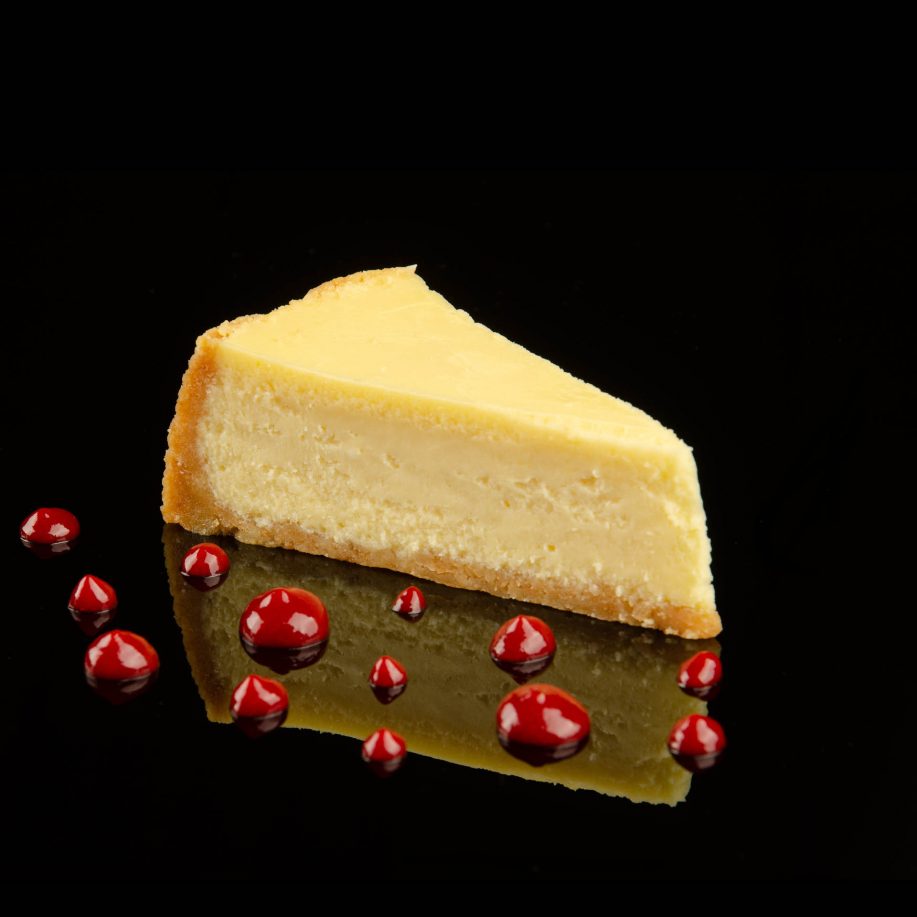
Food photography
Dishes that sell even as a thumbnail
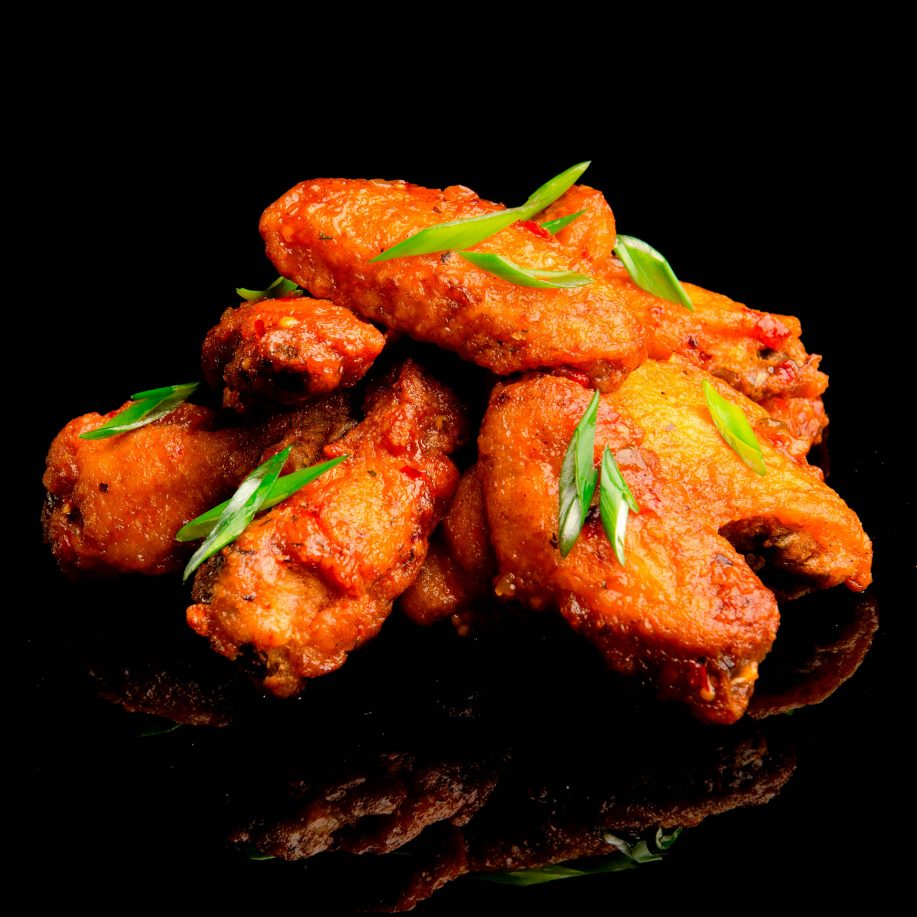
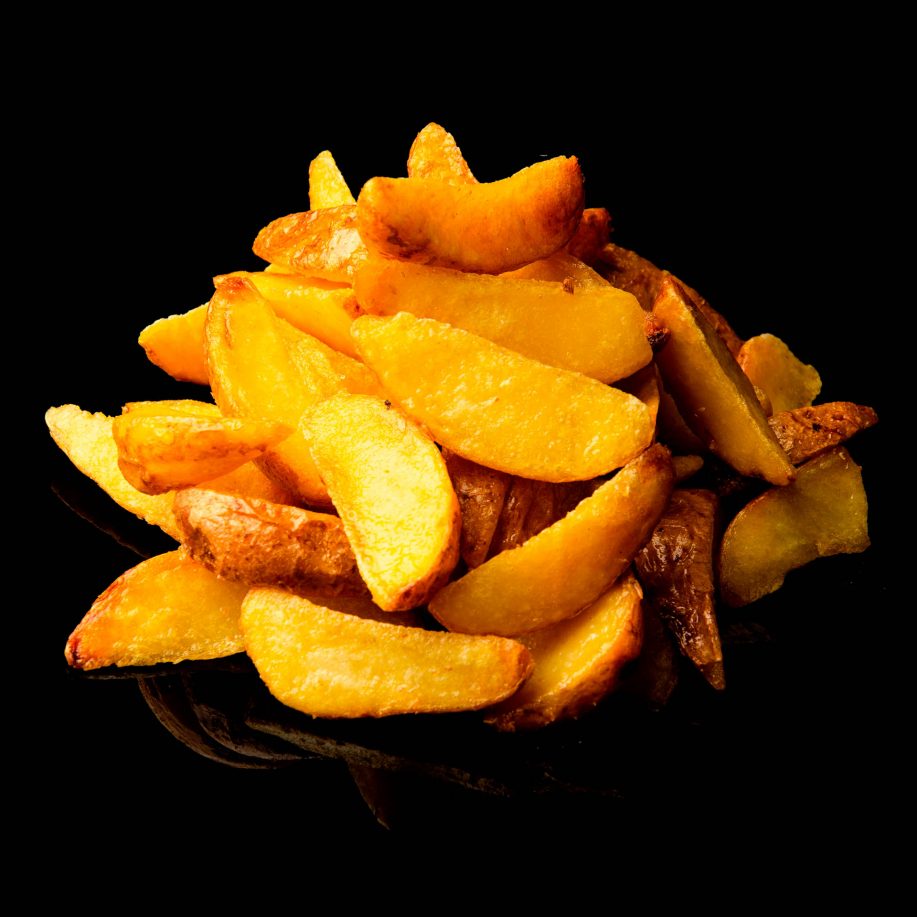
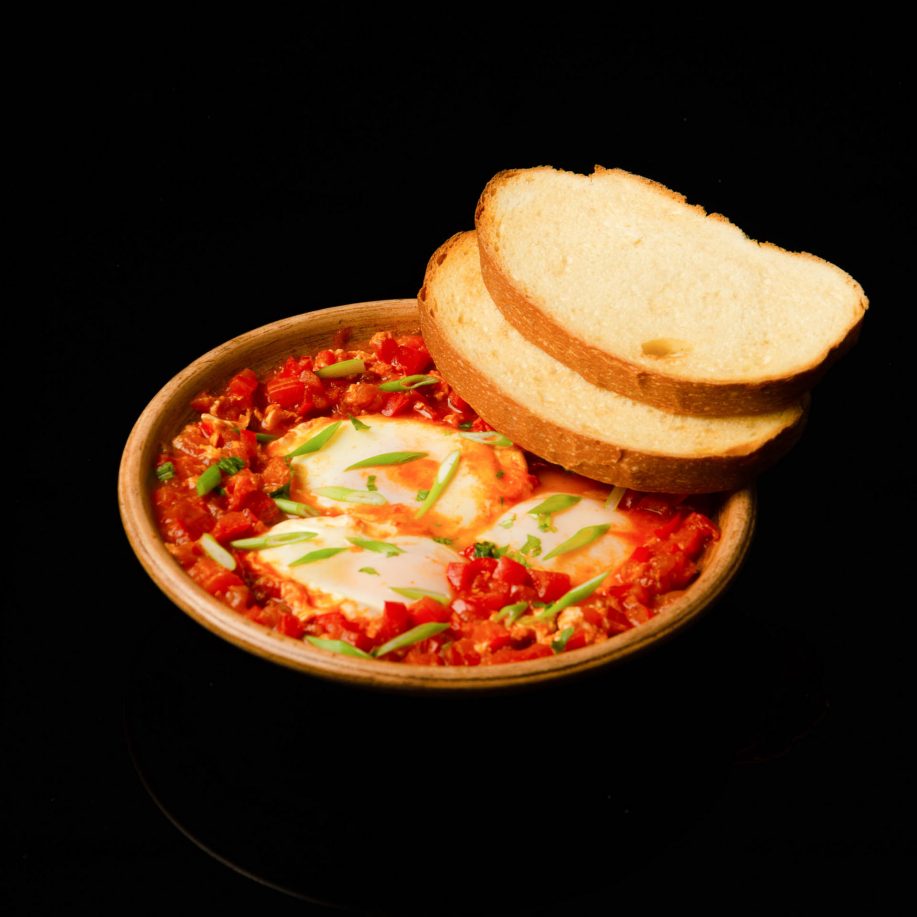
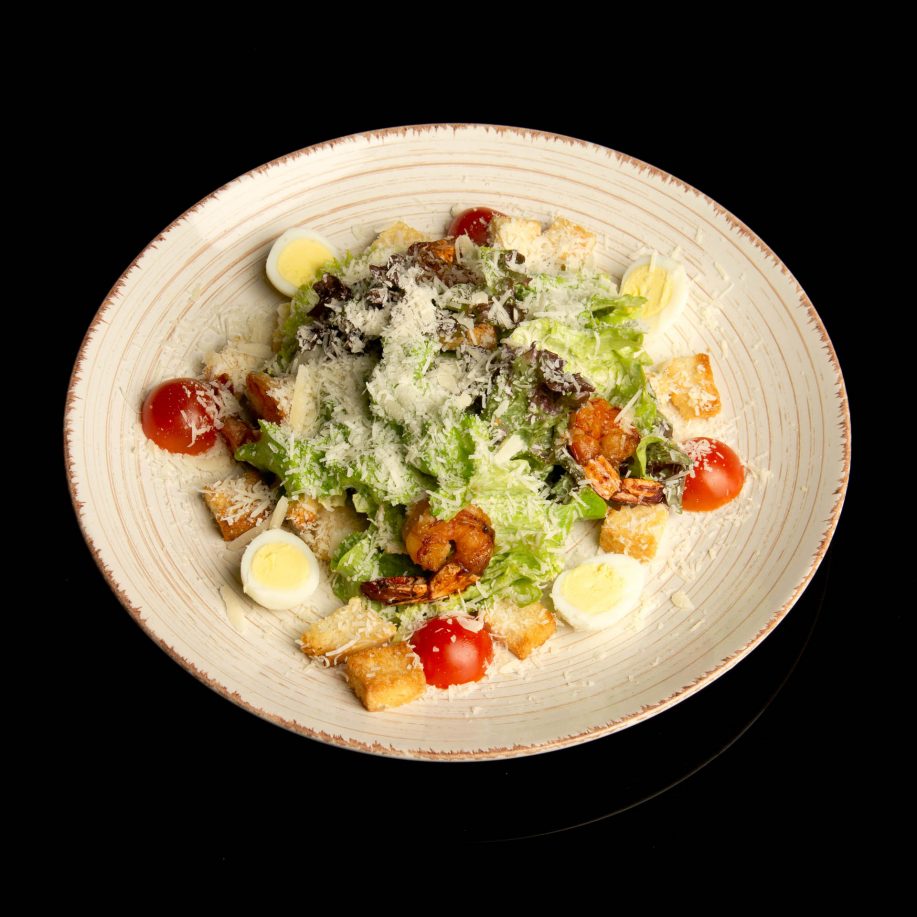
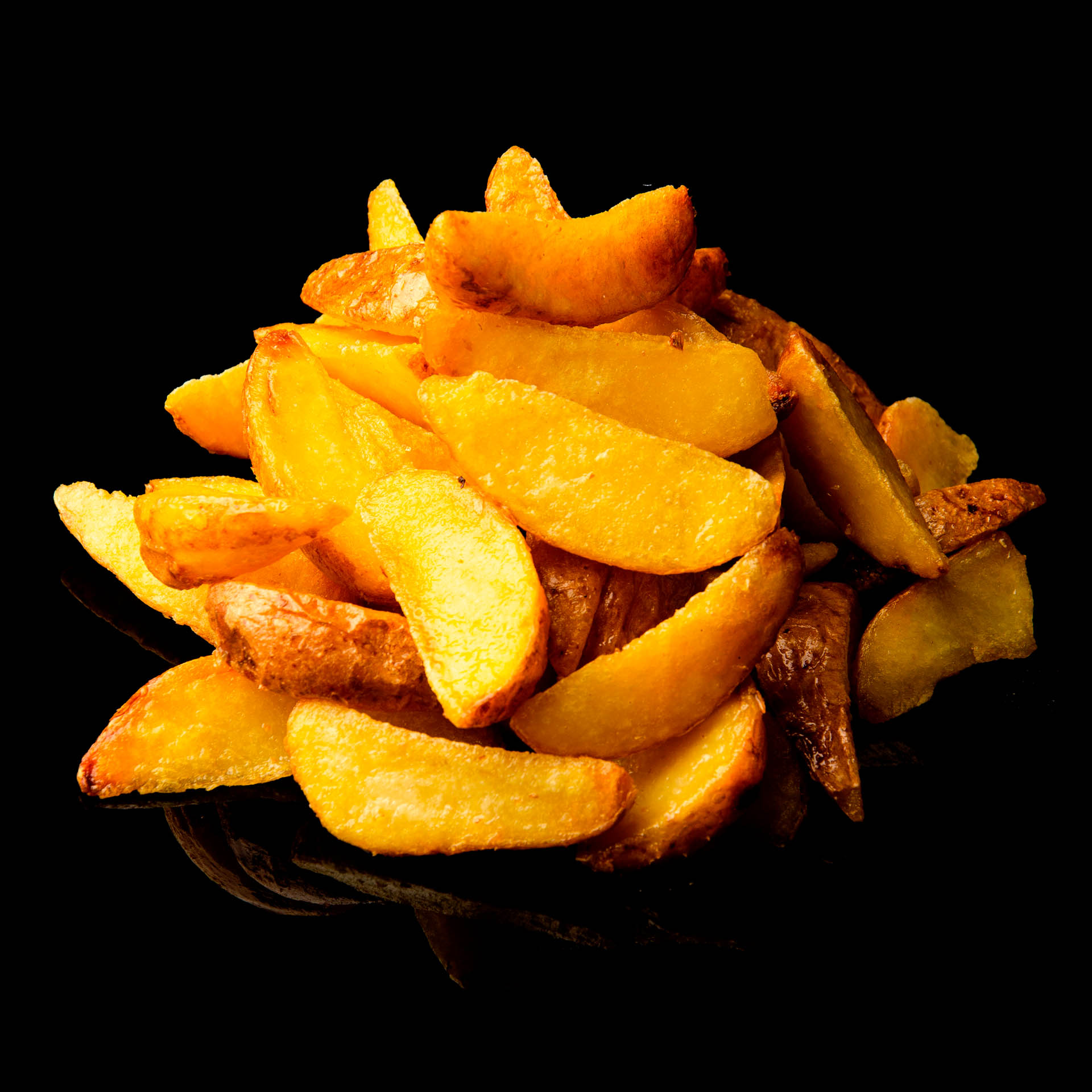
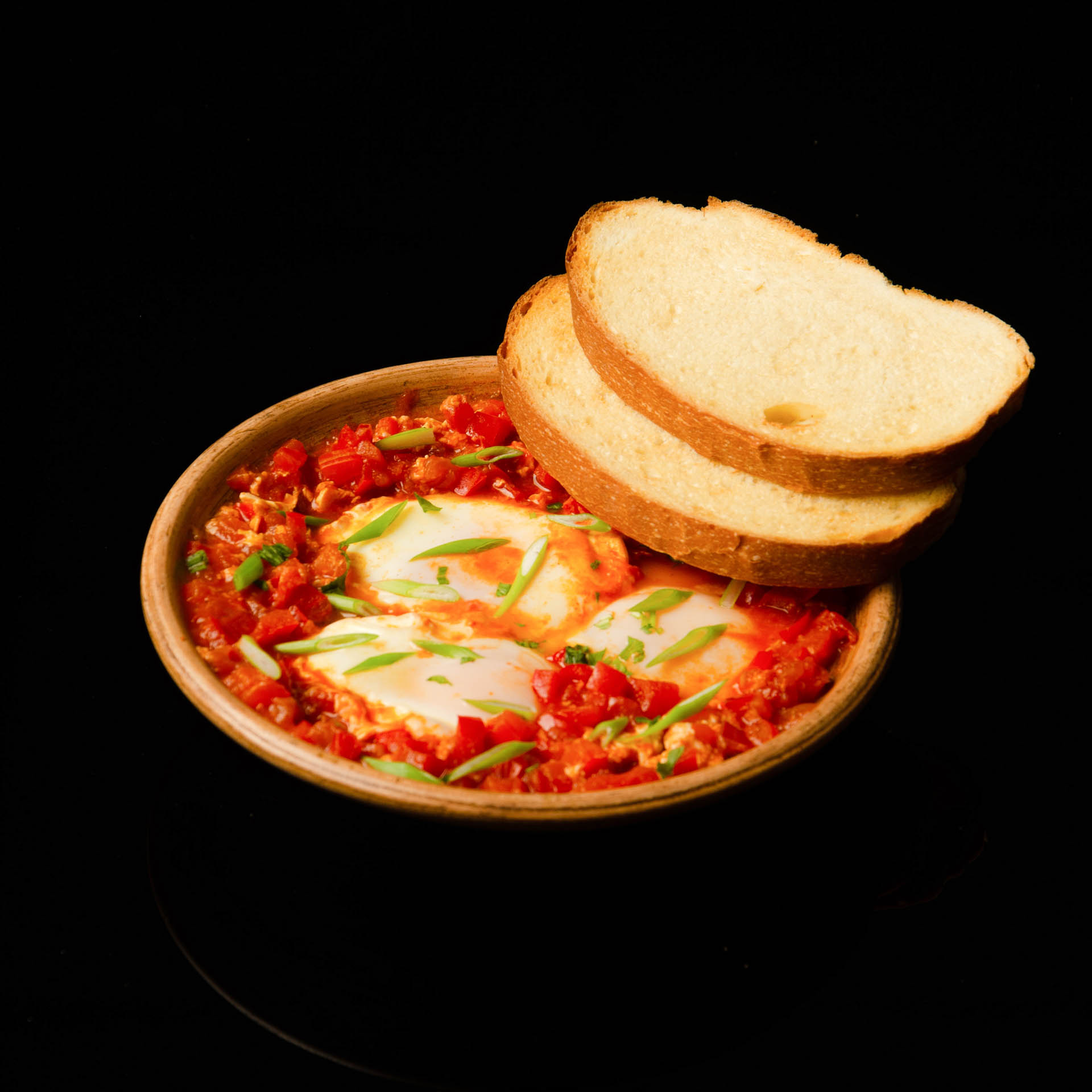
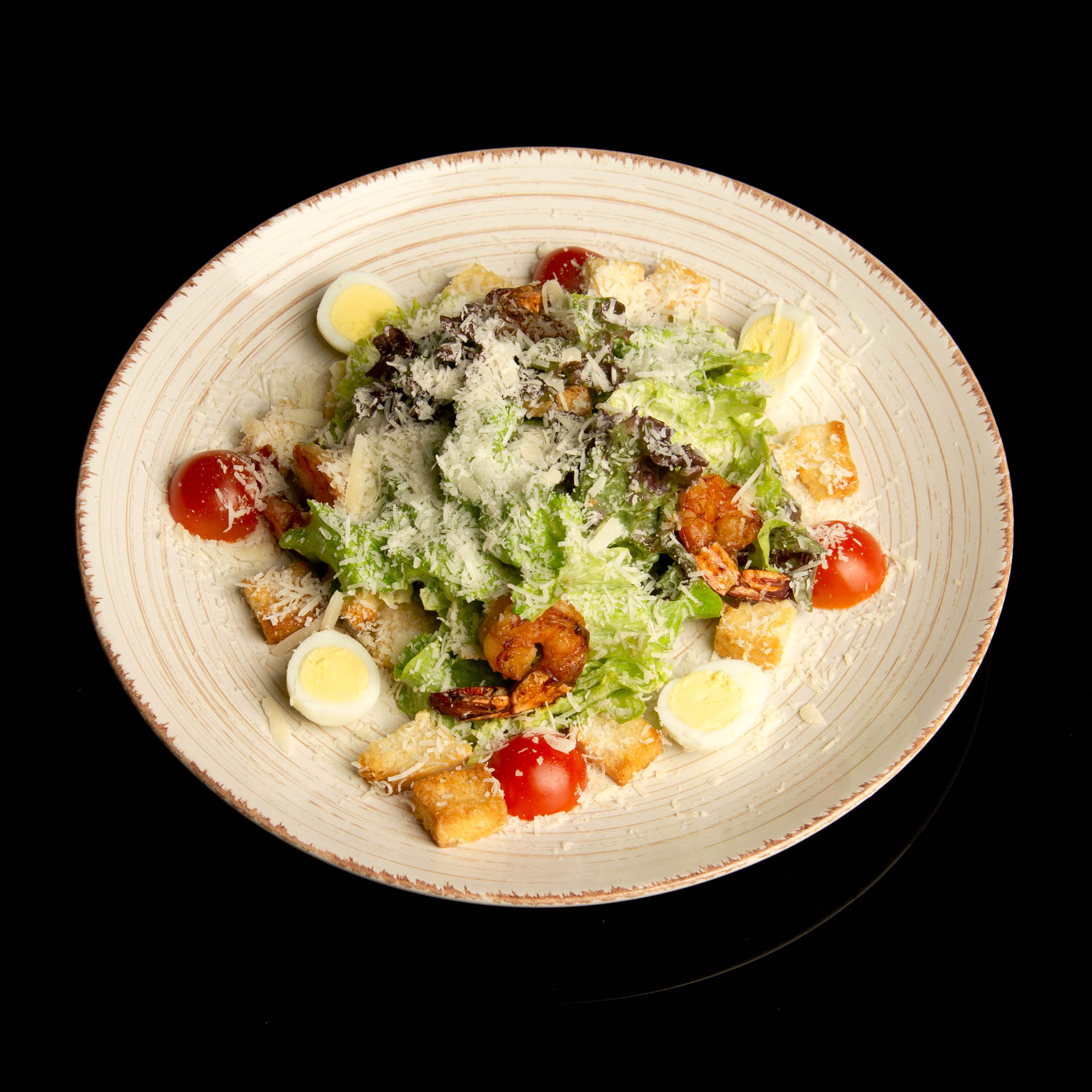
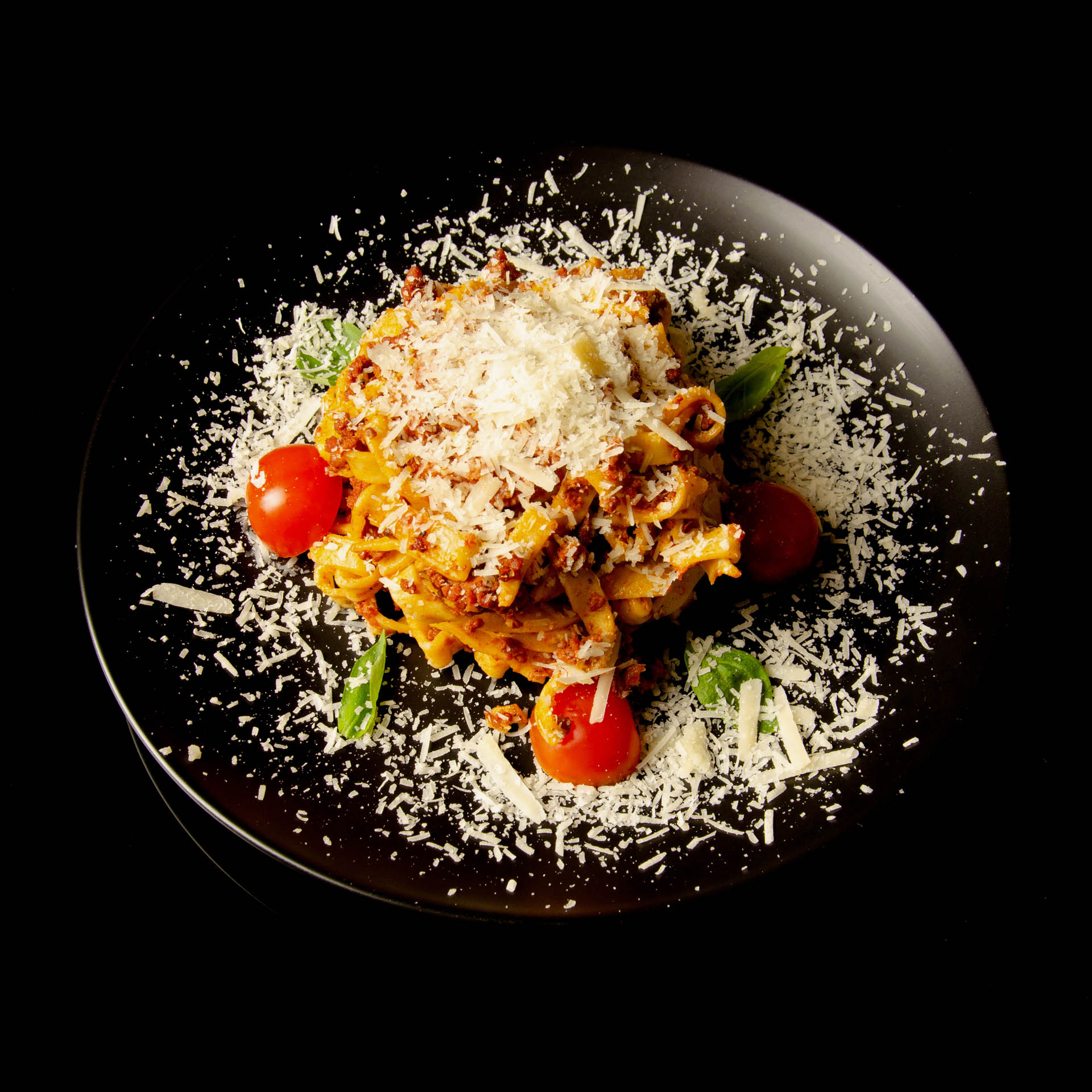
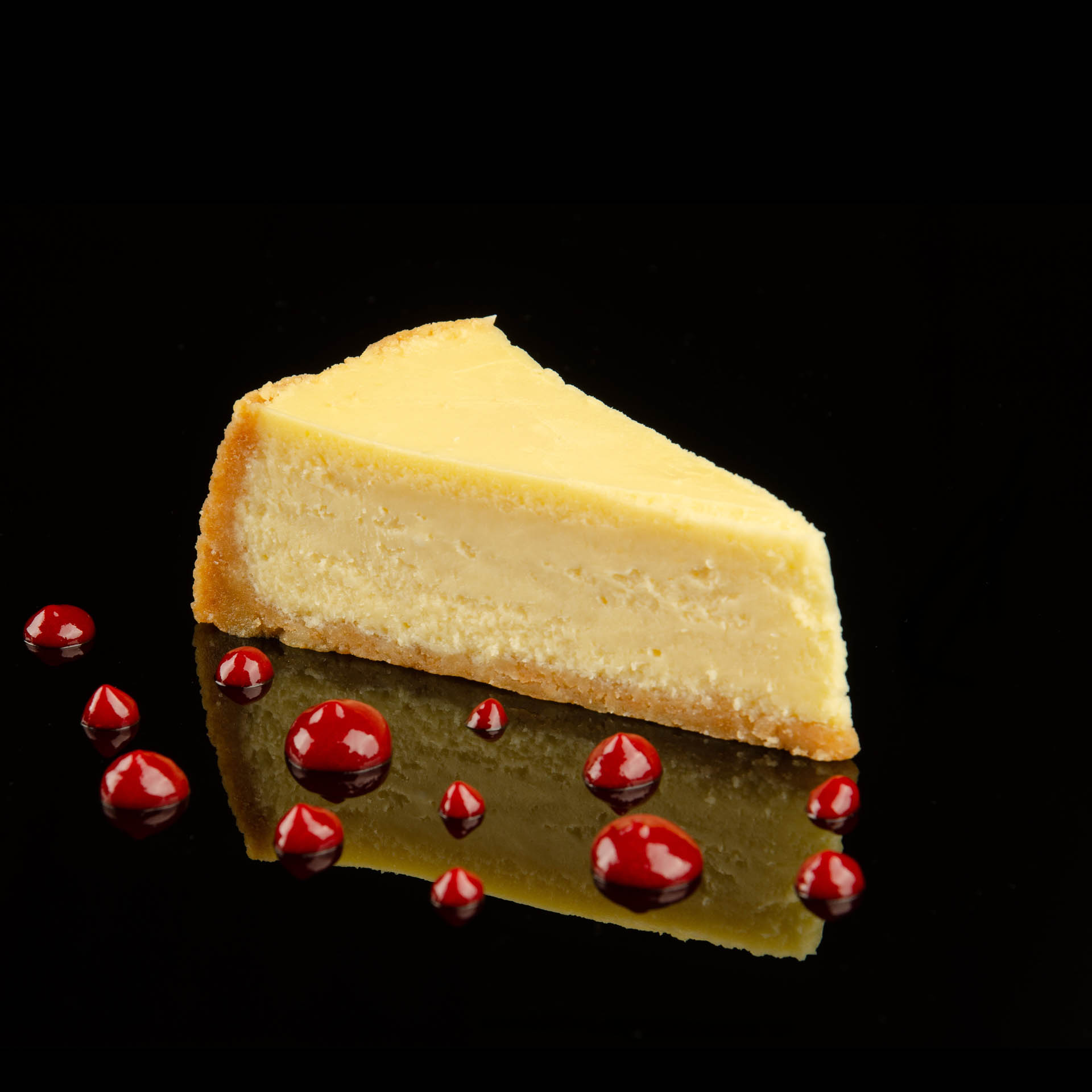
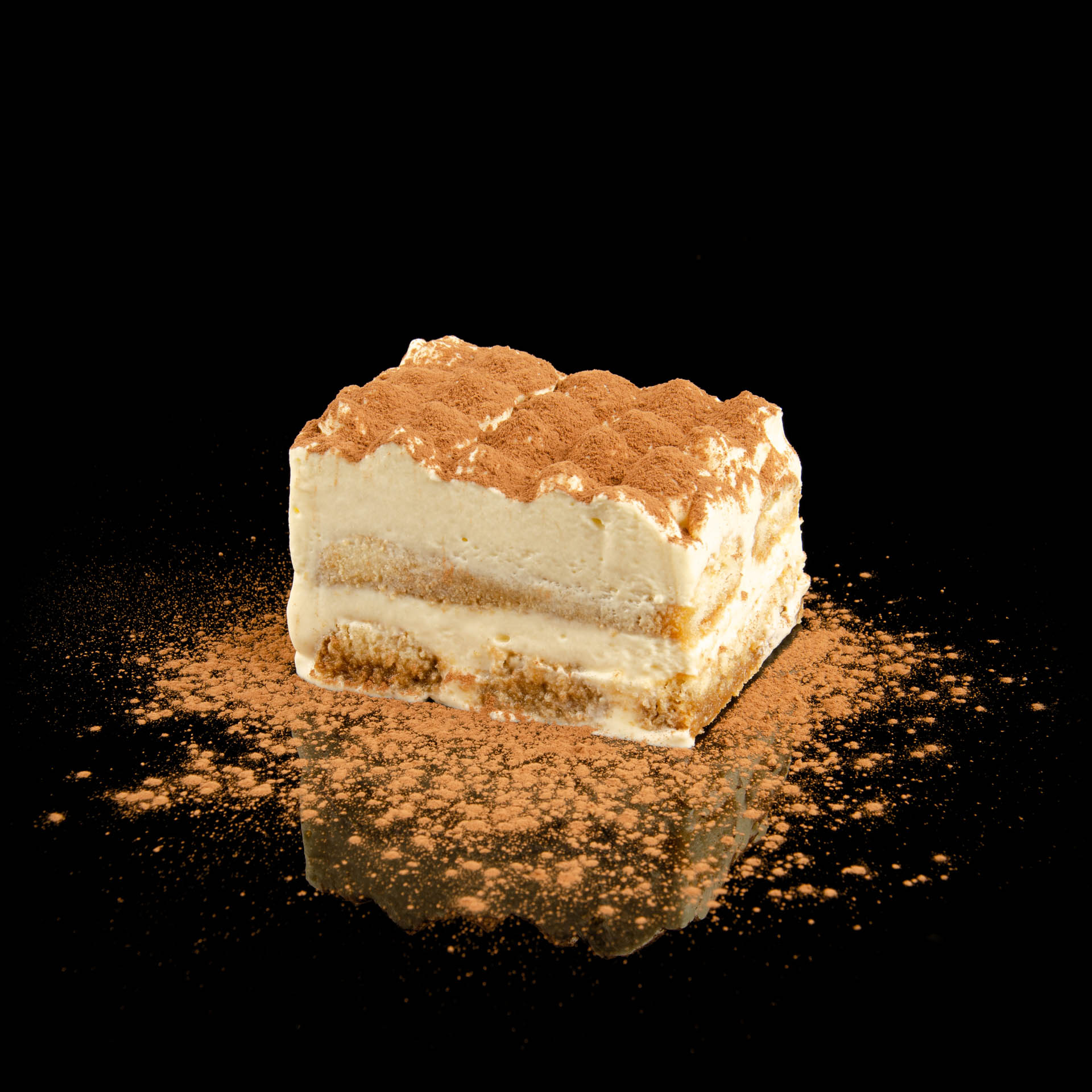
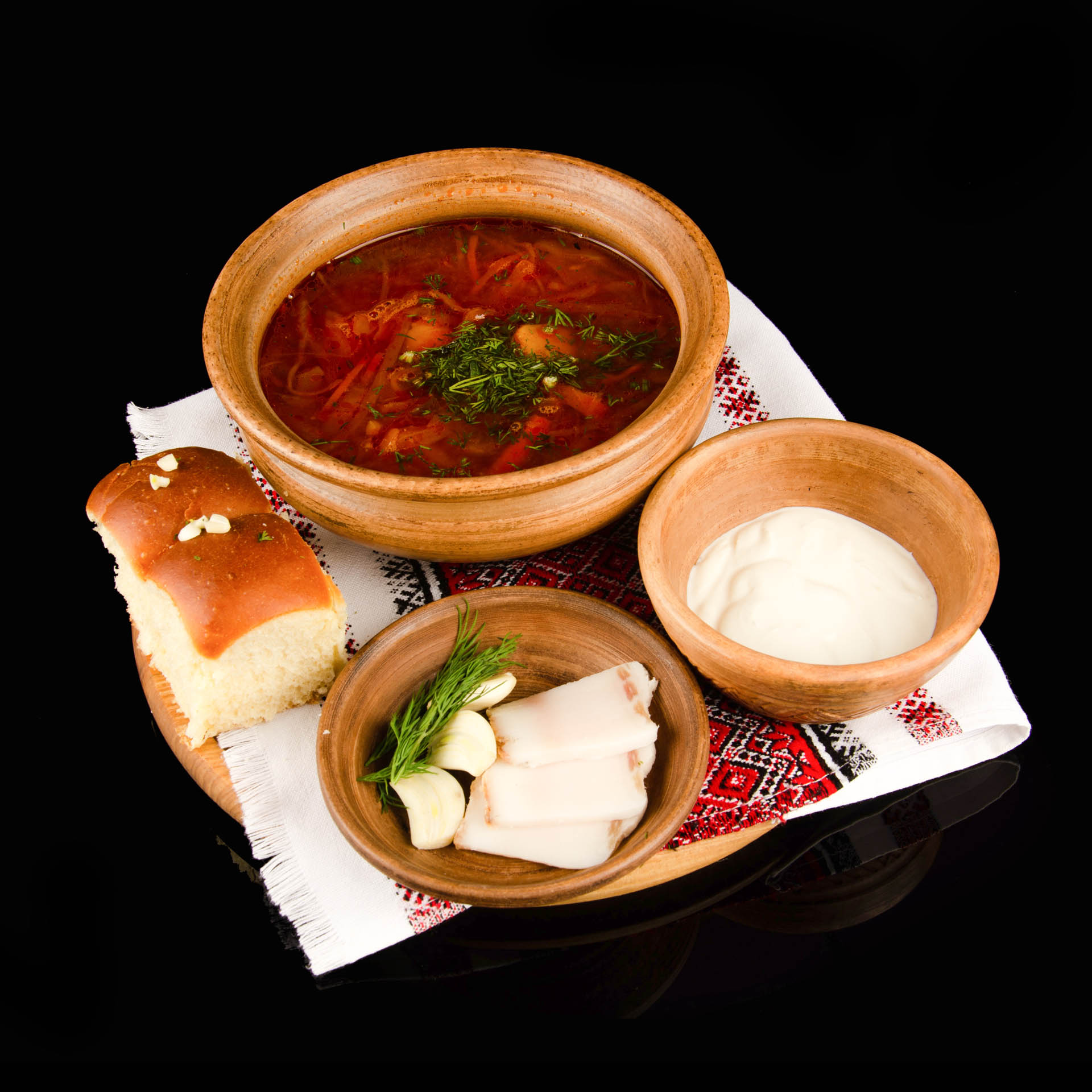
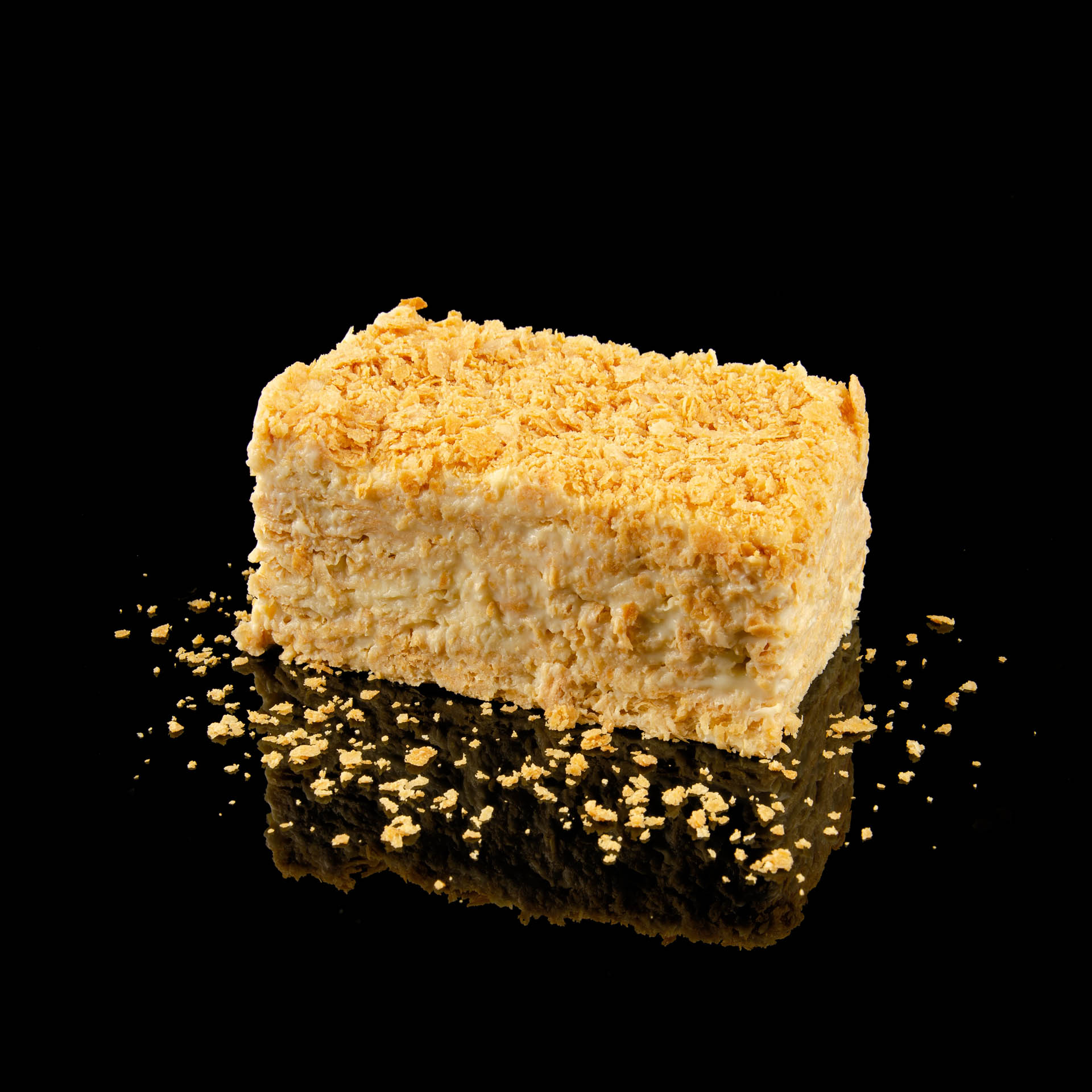
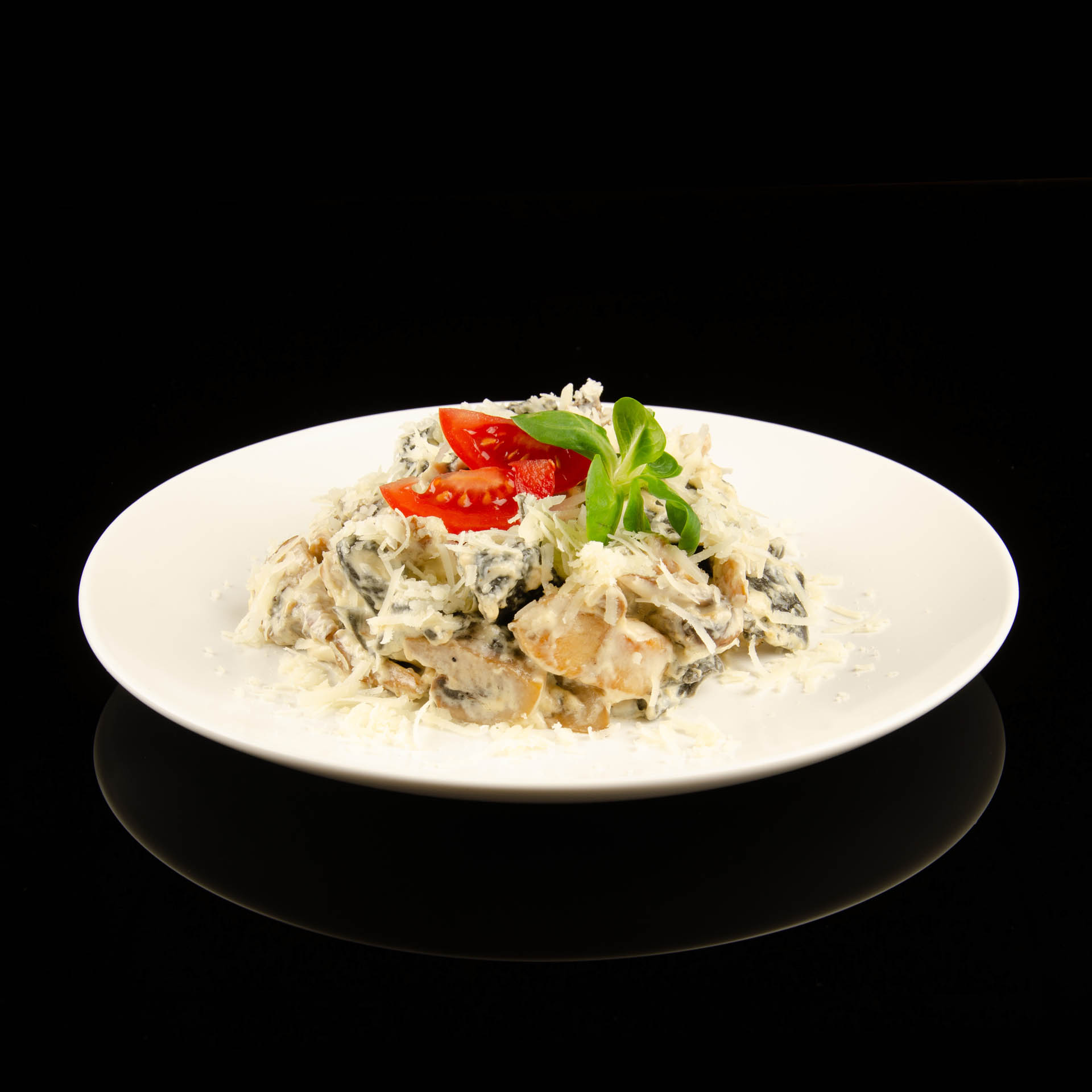
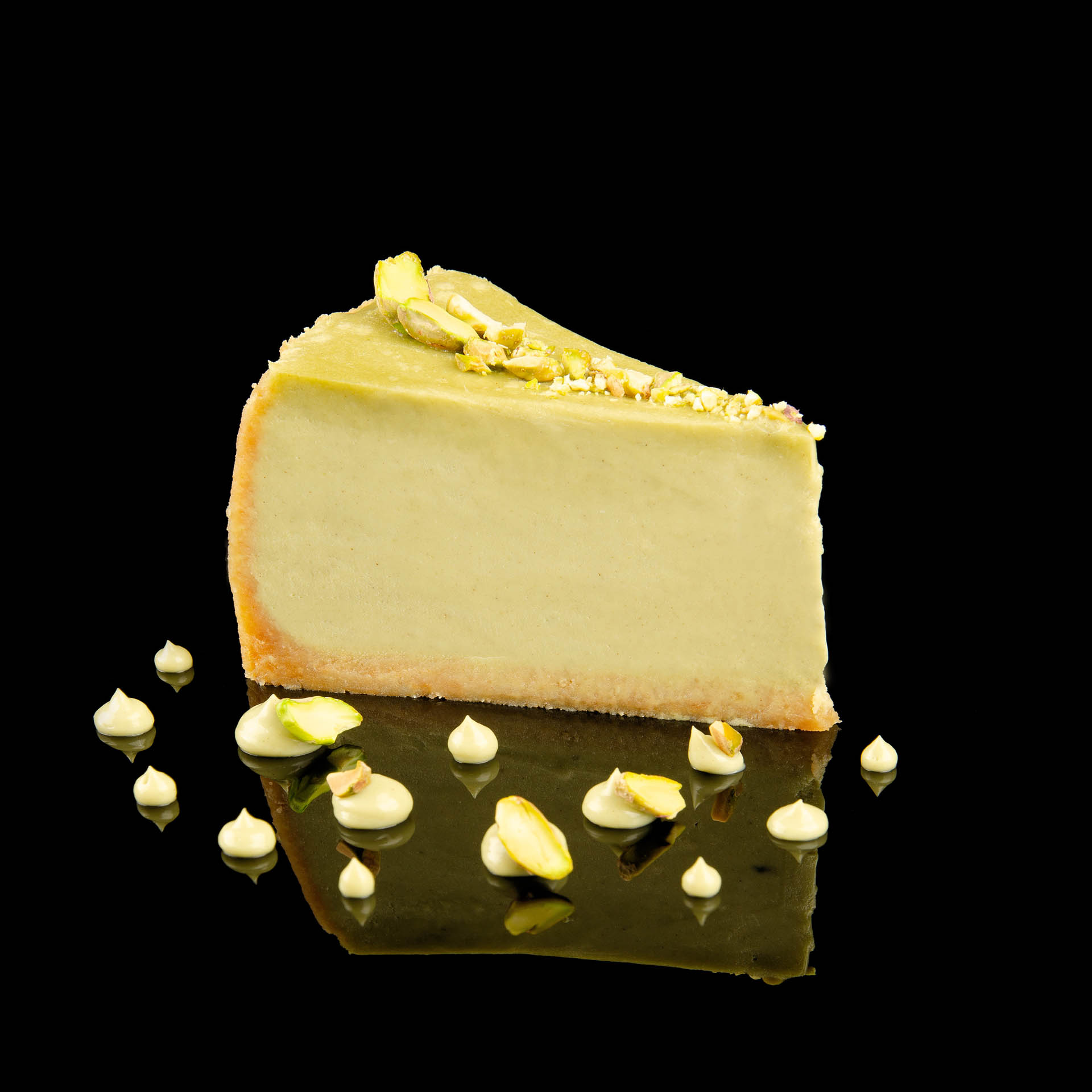
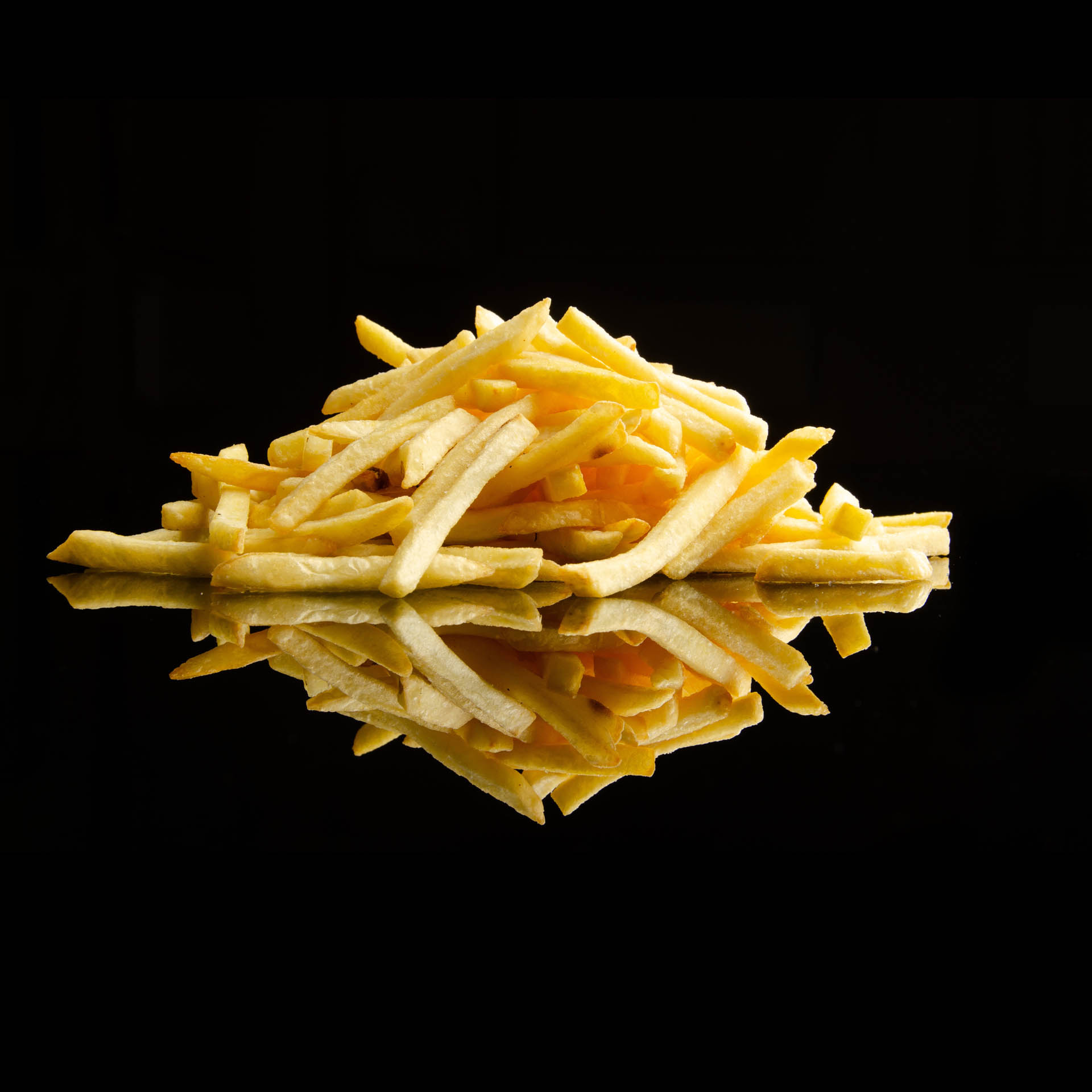
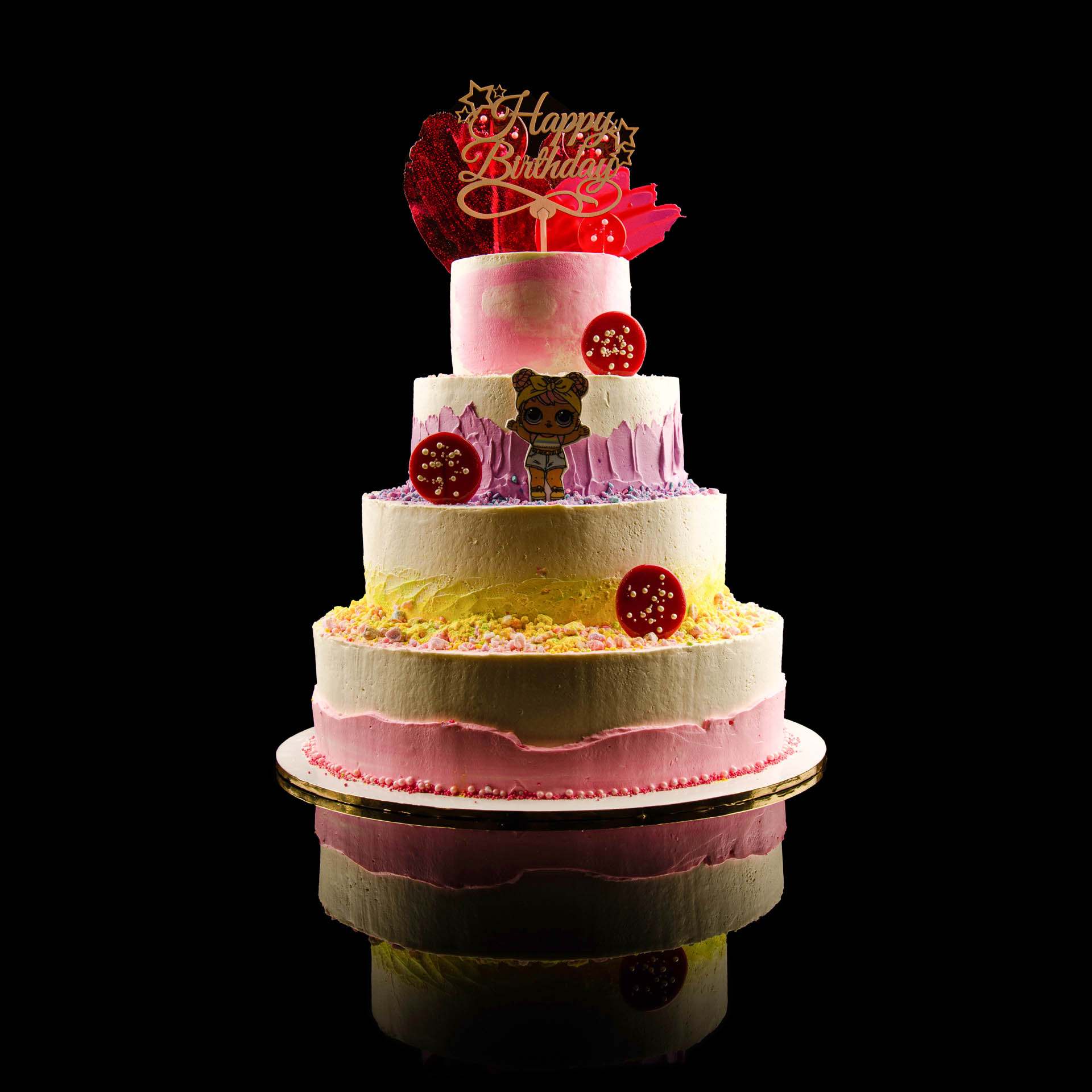
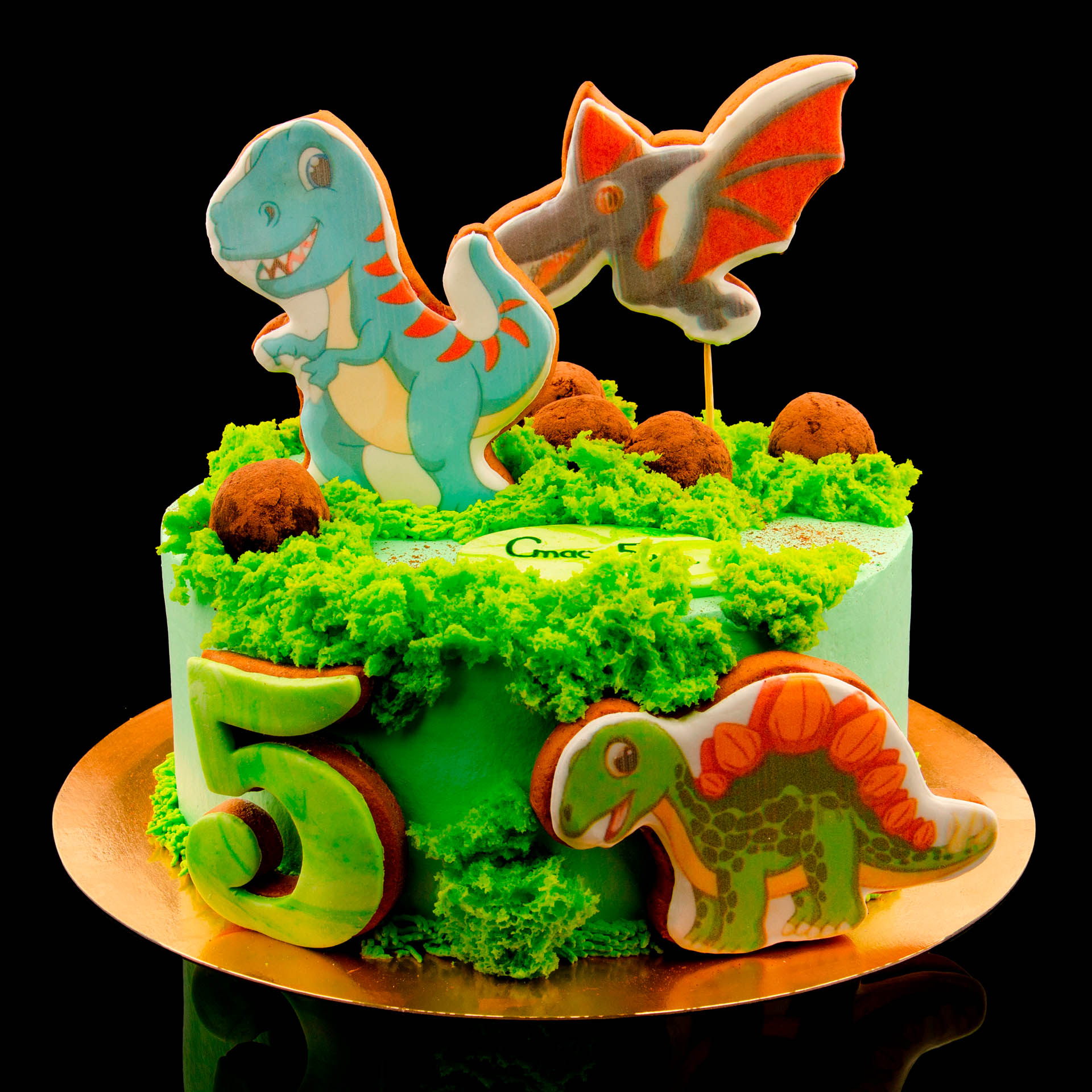
Square frames on black for the menu and the catalogue, finished ready to publish. The frame that has to work is rarely the full-screen one — it is the card in a delivery app, recompressed by someone else at a fraction of the size it left here.
Why square, why black
One file, three jobs
These are the sizes the same photograph is actually served at on this page. Nothing is mocked up — each is a real crop at its own pixel size. A frame composed for the first one and left to fend for itself in the third is the usual way a menu ends up looking cheap.
On the page
Where the detail is judged: the sear, the crumb, the shine on the sauce.
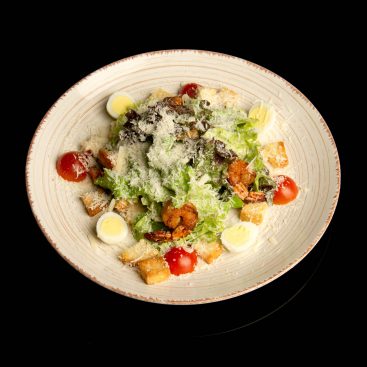
Menu card
The size a customer actually chooses from. The dish has to be readable in one glance.
In the cart
Down here only silhouette and colour survive. Everything else was decided before the shutter.
The set
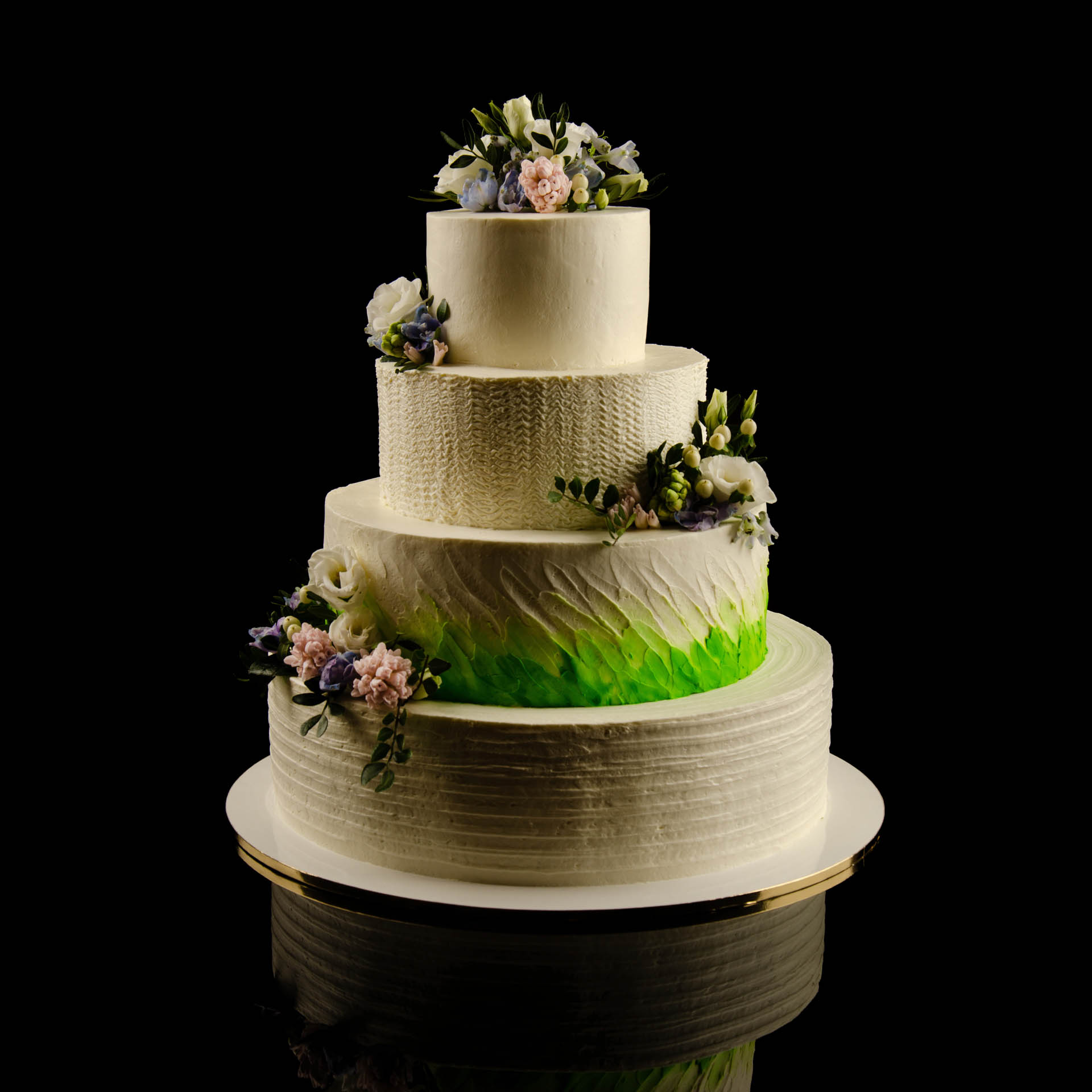
Sixteen dishes, one service
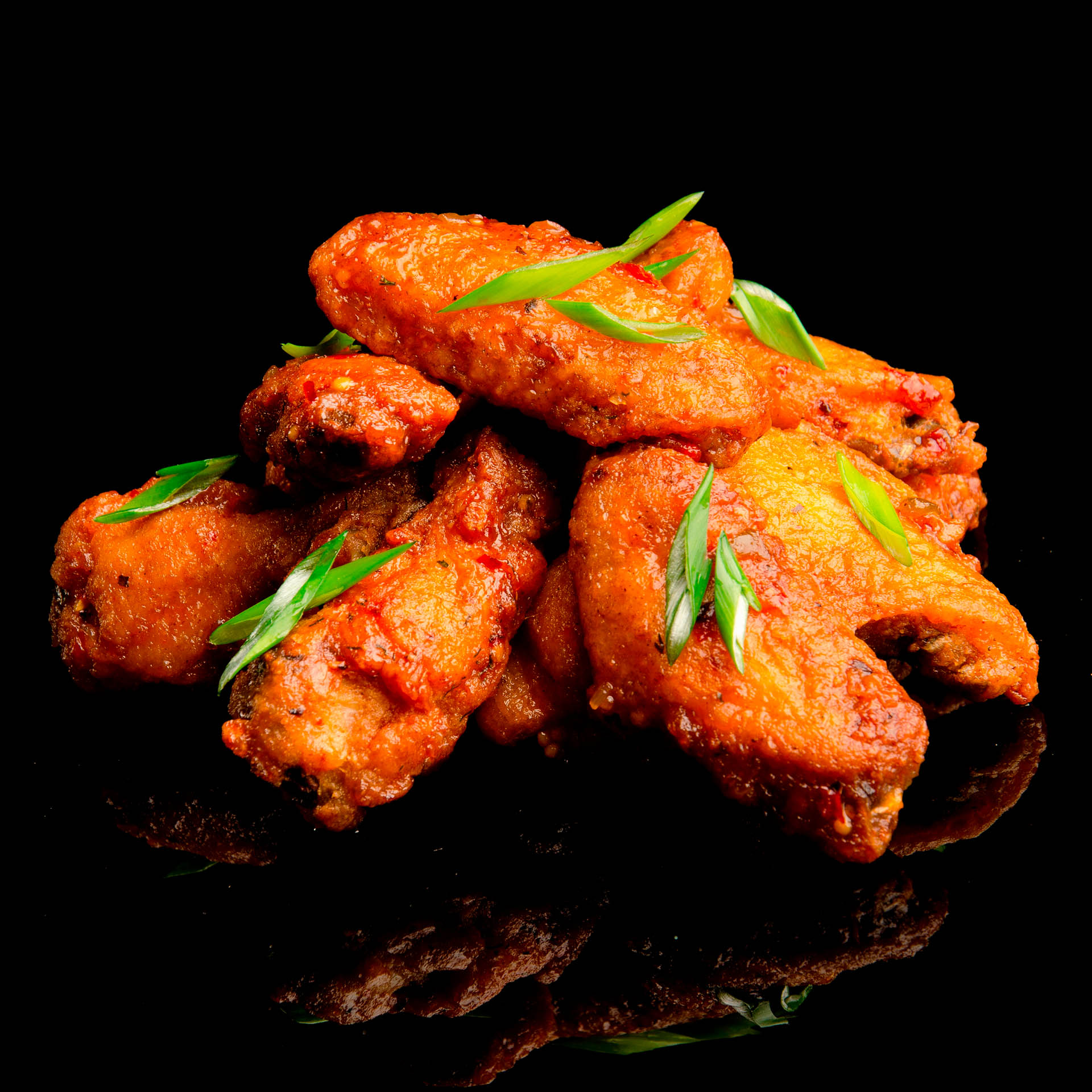

How it is shot
A kitchen sets the clock
The dish has minutes
Steam settles, cream slumps, herbs wilt, ice sweats. The light is built and metered before the plate leaves the kitchen — the frame is exposed while the food is still what the kitchen sent out.
Sixteen frames, one shoot
A menu is looked at as a set, not as single pictures. Height, angle, exposure and colour hold across the whole service — a salad and a dessert sit on one page and neither looks borrowed.
Black, so it can go anywhere
Isolating a dish on black instead of dressing a table costs the scene — and buys reuse: one file drops into a dark menu, a light catalogue card and a marketplace listing without fighting the layout.
It has to survive somebody else
The file will be recompressed by a CMS, re-encoded by a delivery app, cropped by a marketplace. Contrast and detail are placed so the dish still reads after all three — a different decision from one beautiful full-screen frame.
Retouching that stops in time
Crumbs, fingerprints on glass, a stray drip — removed. The shape of the portion, the colour of the sauce and the amount on the plate stay as served: a frame that oversells the dish is a complaint already waiting at the table.
The process
Six steps around the kitchen
Brief
The menu, the number of dishes and where the frames go: the site, a delivery app, print. This decides the format and the number of shooting days.
The day plan
The serving order is agreed with the chef: cold and stable dishes first, hot and melting ones onto a ready-built light. The kitchen works at its own pace; the shoot adapts.
Light
The setup is built and metered on a test plate before the first real serving. From then on it does not change — which is what keeps the set uniform.
Shoot
The dish leaves the kitchen and goes straight into the frame while it is alive. Several angles per item, checked on a large screen rather than the camera back.
Selection
A first cut goes out for your choice before retouching — hours of processing do not sink into frames that will not be used.
Retouching and delivery
Clean-up, colour, crops for each platform. Full resolution plus web sizes; the delivery date is agreed before the shoot.
More work
Other shoots
- Custos website development — smart devices that prevent water leaks2021
- Photographing the cat Persik2021
- Interior photography of the wood-fired banya at Bavaria2020
- Panoramic interior photography of the Fit4All fitness center2020
- Testo Cafe restaurant interior photography2020
- Photographing the interiors of the rooms of the hotel “Bavaria Grand Hotel”2020
- Pizza photography for the Testo Cafe restaurant2020
- Food photography for the Testo Cafe restaurant website catalog2020
Also shot
The rest of the camera work
Interiors
The room the food is served in — straight verticals, windows that keep their view, and one colour of light in a space lit by three sources.
Product photography
The same discipline applied to things that are not edible: catalogue frames shot to one specification so a whole range looks like a range.
Questions
Before you write in
Start
Send the menu
How many dishes and where the frames go — the site, a delivery app, a printed menu, or all three. That decides the format and the number of shooting days; both are quoted before booking.